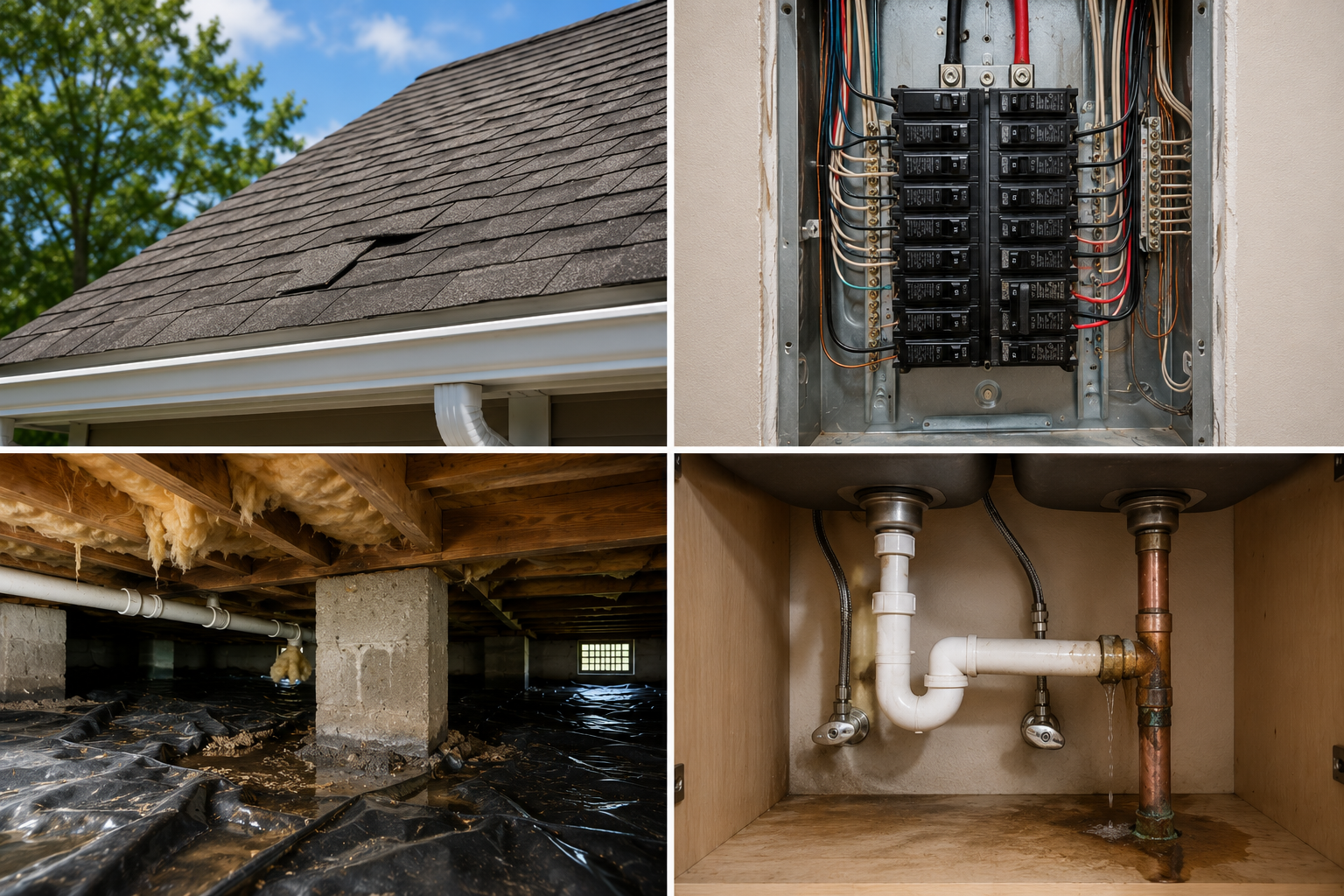
A conductor inside a service panel was hissing, burning, and melting—an immediate fire hazard that needs a licensed electrician, not a DIY patch.
Electrical Panel
Overheating
Fire Hazard
Wiring
Brandon Vaughn•Licensed Home Inspector
Published July 13, 2026 · Updated July 2026
Photographs and observations on this page come from a real home inspection, explained by a working inspector.
Direct Answer
A wire that is hissing, burning, or melting inside an electrical panel is a serious fire hazard and is not acceptable. Power to the affected circuit should be shut off if it can be done safely, and a qualified licensed electrician should evaluate and correct the damaged conductor and the cause of the overheating.
IMMEDIATE SAFETY CONCERN
This needs immediate attention.
A conductor that is hissing, burning, or melting inside an electrical panel presents an active fire hazard. Do not touch the damaged conductor or attempt a temporary repair. If power can be shut off safely without approaching the damaged area, do so and contact a licensed electrician immediately.
Do not open the panel, tighten connections, or wrap damaged insulation as a DIY fix while the system may still be energized.
Urgency
Immediate
Next step
Shut off power if safe
Who to call
Licensed electrician
How to Identify It
Melted, blistered, bubbled, or charred insulation on a conductor inside the panel
Discoloration, soot, or heat damage near a breaker terminal or lug
A burning smell, buzzing, or hissing from the panel area
A breaker or circuit that feels unusually warm (do not keep touching energized equipment)
Flickering lights or intermittent power on a circuit tied to a damaged conductor
Visible loose conductors at breaker screws or lugs
Why It’s Not Acceptable
Conductor insulation is a primary barrier that keeps live metal from contacting other parts of the panel and nearby materials. When insulation melts or chars from overheating, the damaged section can create a significant fire hazard and can leave the circuit unsafe until it is properly repaired.
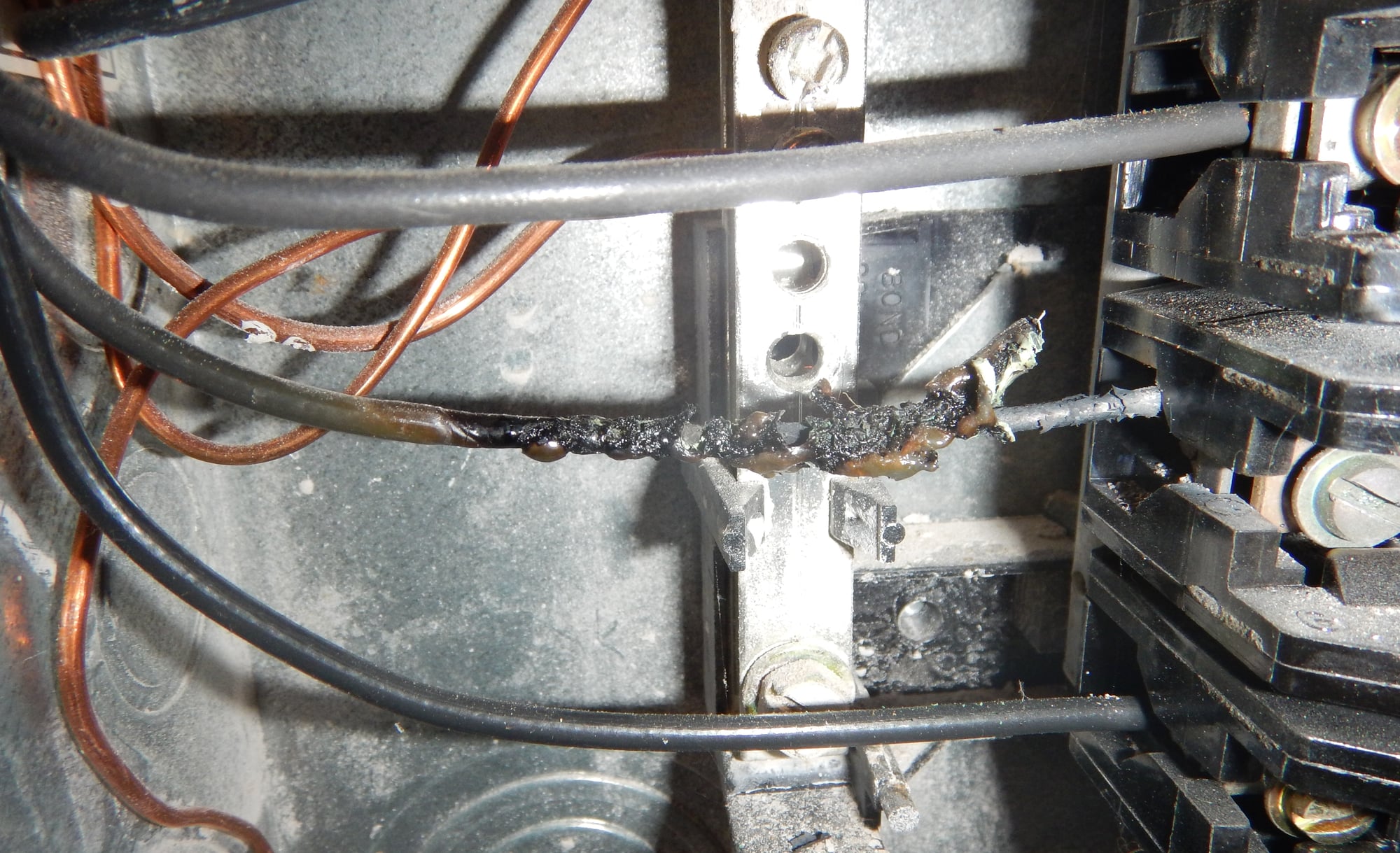
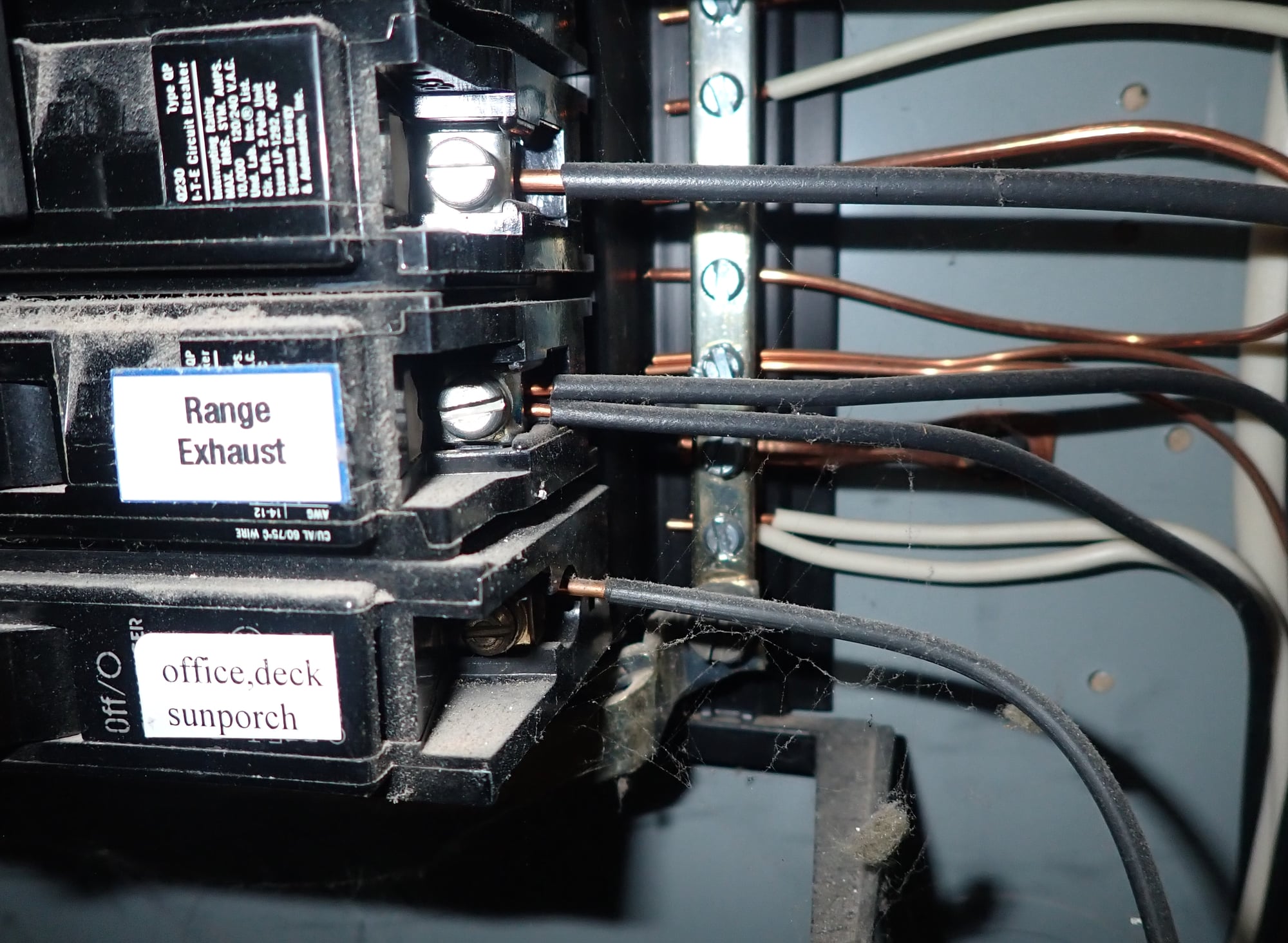
This photograph documents severe heat damage to a conductor inside a panel. It does not, by itself, establish the complete condition of the electrical system, every circuit in the home, or a single definitive root cause.
What a Proper Correction Should Accomplish
De-energize and safely isolate the affected circuit as appropriate
Identify and correct the damaged conductor and any heat-damaged terminations
Determine and correct the cause of the overheating (for example, a loose connection, when that is confirmed)
Replace or repair heat-damaged components so terminations are tight and conductors are properly sized and protected
Verify the repaired circuit operates without abnormal heat or distress
Do not treat tape, temporary tightening by an unqualified person, or ignoring the smell/noise as a safe fix
Example From an Inspection
During a real home inspection, a wire in the downstairs electrical panel was found hissing and burning. Investigation showed the conductor was burning and melting. The wire was extremely loose, which the report noted may have been the cause. The breaker was turned off, and repair of the wire and of the cause of the damage was recommended.
The photograph shows the melted and charred insulation on that conductor near its breaker connection. The photo alone cannot prove every contributing factor or the condition of other circuits.
Frequently Asked Questions
Is a burned wire in the electrical panel dangerous?
Yes. A wire that is burned, melting, hissing, or arcing inside a panel is a serious fire hazard and is not acceptable. Power to the affected circuit should be shut off if it can be done safely, and a licensed electrician should evaluate it right away.
What causes a wire to burn inside an electrical panel?
Overheating at an electrical connection is usually behind it — commonly a loose termination, an overloaded or failing breaker, or a damaged conductor. The underlying cause, not just the burned wire, needs to be found and corrected.
Can a burned panel wire just be repaired?
The damaged conductor and the cause of the overheating both need a licensed electrician's evaluation. Patching the visible damage without correcting the cause can leave the hazard in place.
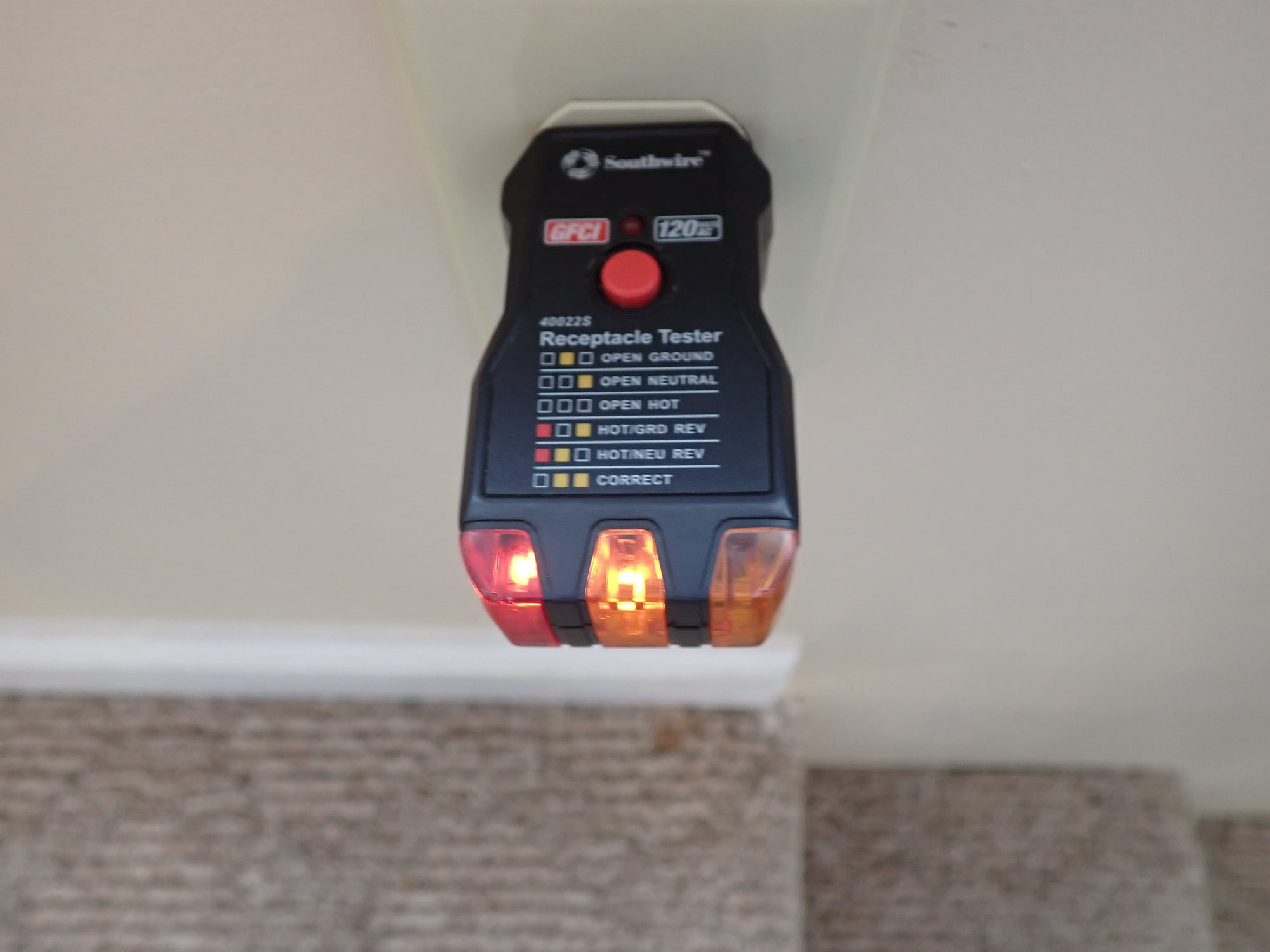
A three-prong outlet that tests as having no equipment ground—common in older homes with two-wire wiring. Here’s what it means, why it matters, and how it’s corrected.