Electrical
Reversed Polarity Outlet: What the Tester Means
Status Plan for Correction
A plug-in tester reading of hot and neutral reversed—what it means, why it matters, and what a licensed electrician should correct.
View case fileA three-prong outlet that tests as having no equipment ground—common in older homes with two-wire wiring. Here’s what it means, why it matters, and how it’s corrected.
An “open ground” means a three-prong outlet has no working ground connection — the round grounding slot isn’t actually tied to a ground. We find it with a simple plug-in receptacle tester. It is common in older homes that were originally wired with two-wire (ungrounded) cable and later fitted with three-prong outlets. An open ground isn’t an immediate emergency, but it means anything relying on that ground for protection isn’t protected, so we recommend having a licensed electrician evaluate and correct it.
PLAN FOR CORRECTION
Have a licensed electrician evaluate the outlets that test as open ground and correct them. The right fix depends on the wiring: grounding the outlet where a ground is available, or — in older two-wire homes — providing GFCI protection with the proper label or installing two-prong outlets.
The grounding conductor is the safety path that carries fault current away if something goes wrong, and it is what surge protectors and many appliances rely on. With an open ground, a three-prong outlet looks normal and will power a device, but that safety path isn’t there — so grounded appliances, electronics, and plug-in surge protectors are not actually protected. An open ground also frequently signals older two-wire wiring that predates modern grounding requirements.
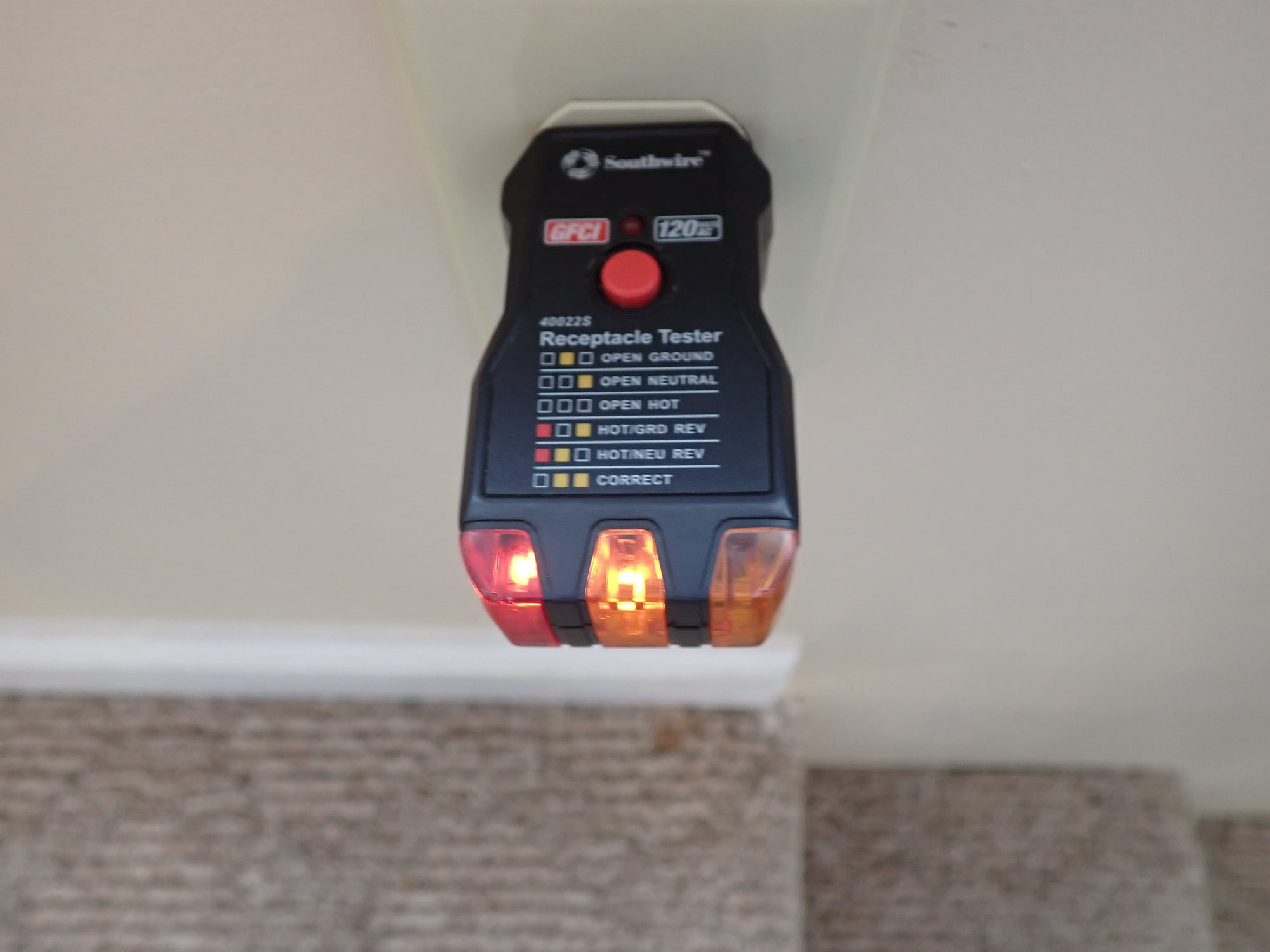
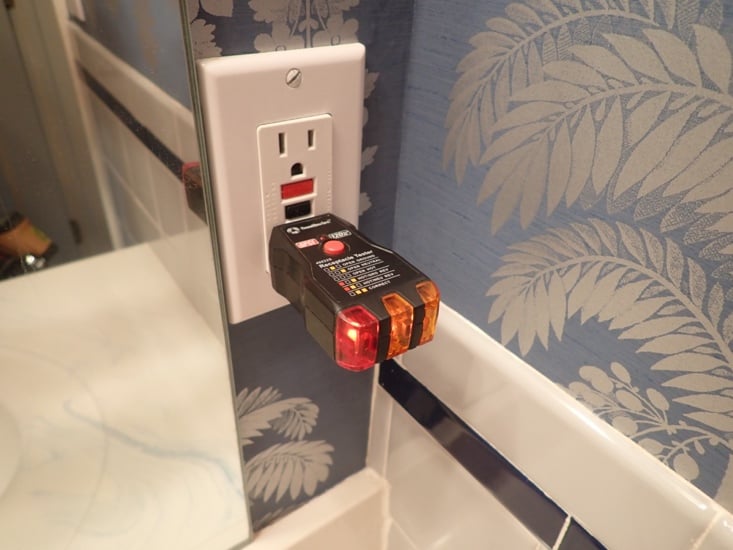
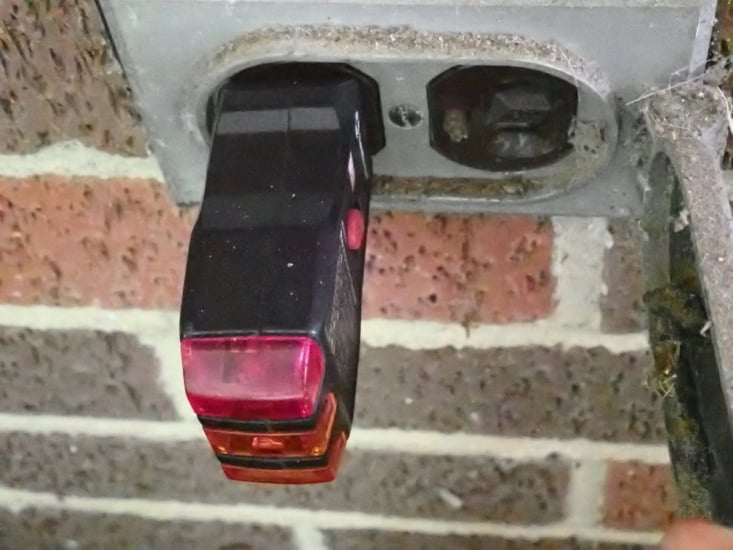
These photographs show a receptacle tester reading an open ground at outlets during real inspections. The tester confirms the ground is open; a licensed electrician determines why and the best correction for that circuit.
Open grounds are one of the more common electrical findings we document, especially in older homes. In some houses only a few three-prong outlets test open — often ones that replaced original two-prong outlets — while in others nearly every outlet is ungrounded because the home still has its original two-wire wiring. We have also found outlets that only show a ground when a nearby switch is on, and open grounds mixed with reversed-polarity wiring. In each case we flag the outlets with a receptacle tester and recommend a licensed electrician determine the right correction.
It means a three-prong outlet has no working equipment ground — the round grounding slot isn’t actually connected back to the electrical system’s ground. The outlet will still power a lamp or a charger, so nothing looks wrong, but a plug-in receptacle tester shows the ground is open. It is one of the most common wiring findings in older homes.
It is usually not an immediate hazard, but it is not something to ignore. The ground is a safety path that carries fault current away and that surge protectors and many appliances depend on. With an open ground, that protection isn’t there — so a plugged-in device that develops a fault, or a surge protector you’re counting on, may not perform as expected. We recommend having it evaluated and corrected by a licensed electrician.
The most common cause is an older home originally wired with two-wire cable that has no ground conductor, where someone later installed three-prong outlets that have nothing to connect the ground to. It can also be caused by a ground wire that came loose or was never connected, or by a miswired outlet. An electrician can open the box and determine which situation applies.
It depends on the wiring. If a ground is available at the box, the electrician connects it so the outlet is properly grounded. If the circuit truly has no ground (older two-wire wiring), the accepted options are to run a proper ground, to protect the outlets with a GFCI and label them “No Equipment Ground,” or to install two-prong outlets. A licensed electrician chooses the right approach for the circuit.
Yes — the electrical code allows a GFCI to protect outlets on an ungrounded circuit, as long as they are labeled “GFCI Protected — No Equipment Ground.” The GFCI provides shock protection, which is the main safety concern. It does not, however, create an actual equipment ground, so it will not fully protect equipment that specifically needs a ground, such as some surge protectors.
Electrical
Status Plan for Correction
A plug-in tester reading of hot and neutral reversed—what it means, why it matters, and what a licensed electrician should correct.
View case fileElectrical
Status Prompt Evaluation
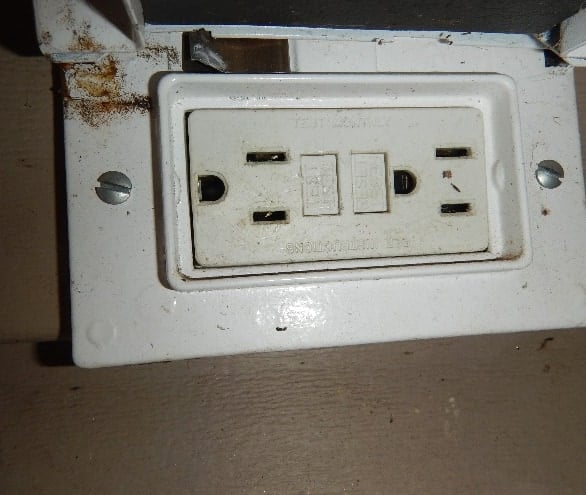
Outdoor GFCI protection that will not trip, shows moisture damage, or otherwise fails the safety device homeowners rely on outdoors.
View case fileElectrical
Status Plan for Correction
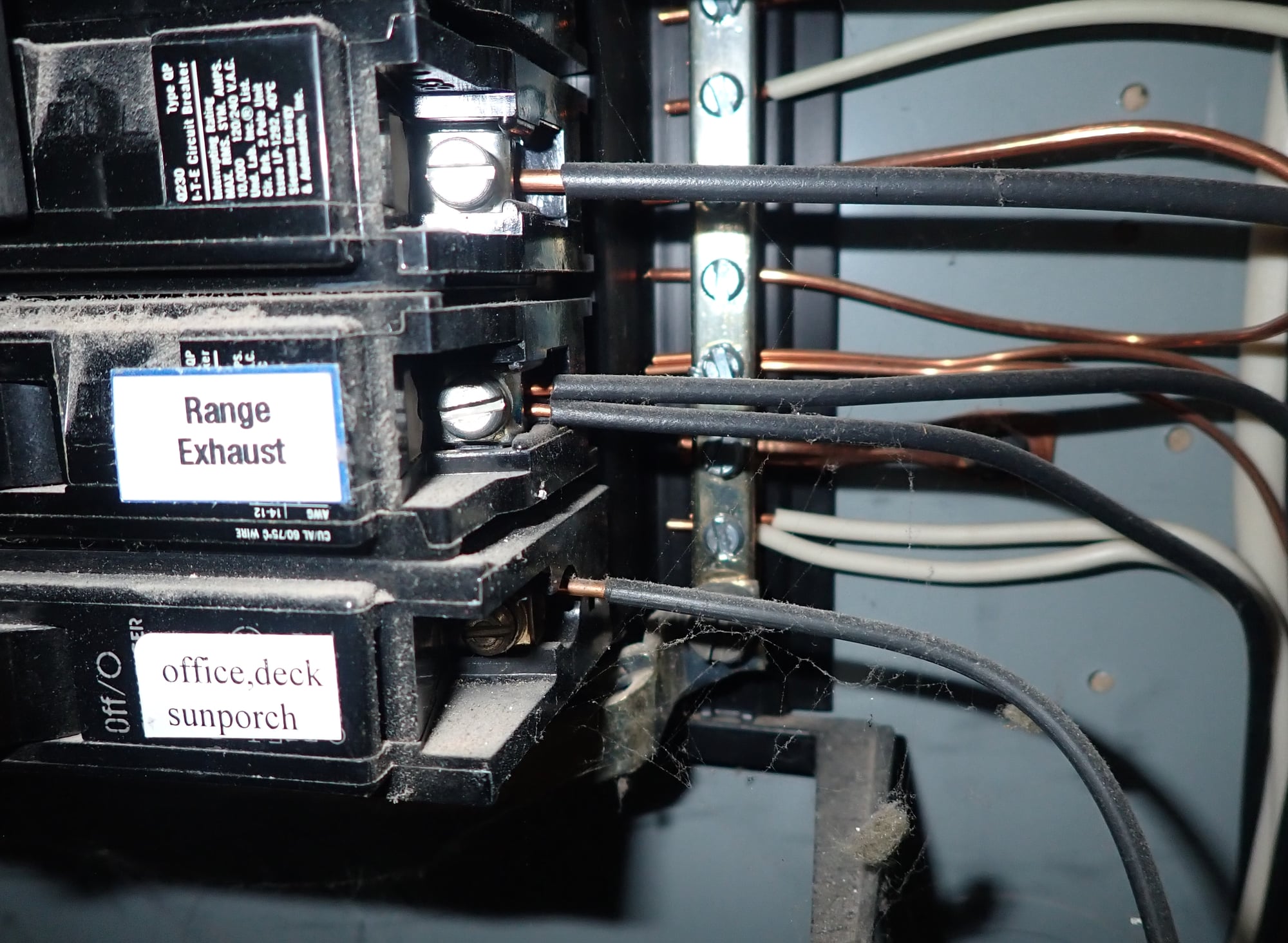
Two conductors on one breaker terminal need listing verification—many breakers allow only one wire.
View case fileElectrical
Status Immediate Safety Concern
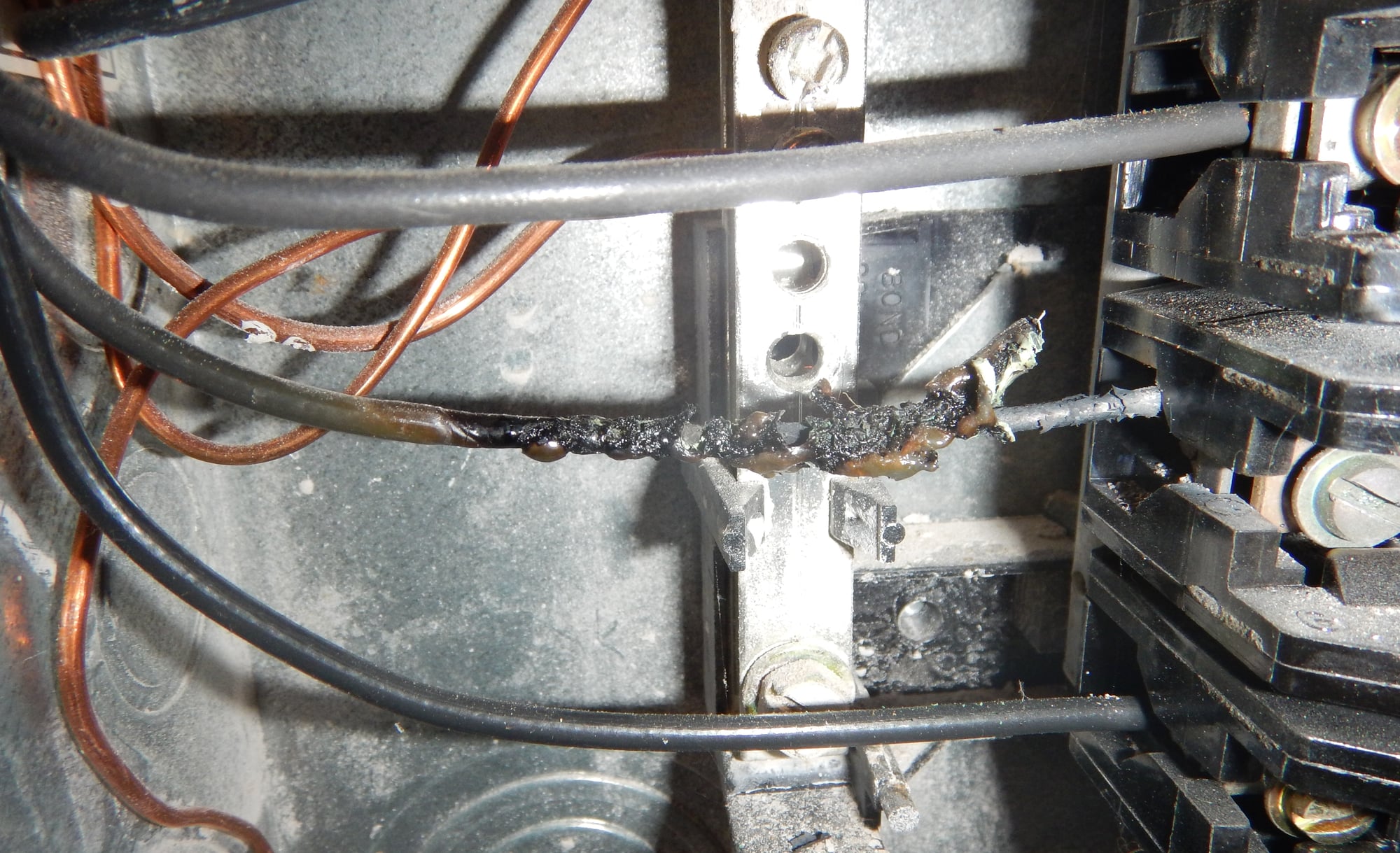
A conductor inside a service panel was hissing, burning, and melting—an immediate fire hazard that needs a licensed electrician, not a DIY patch.
View case fileElectrical
Status Immediate Safety Concern
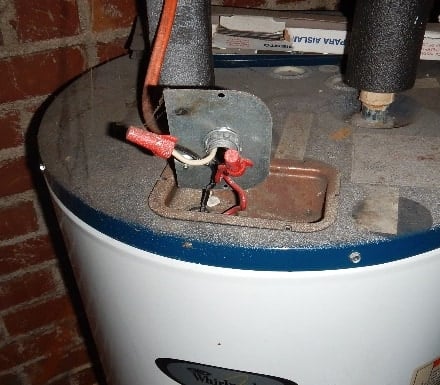
Open electrical covers and exposed splices on a water heater create a shock and fire risk at an always-on appliance.
View case fileArticle
The most common defects we document during home inspections — from water heaters and electrical issues to crawlspace damage.
Read more