Electrical
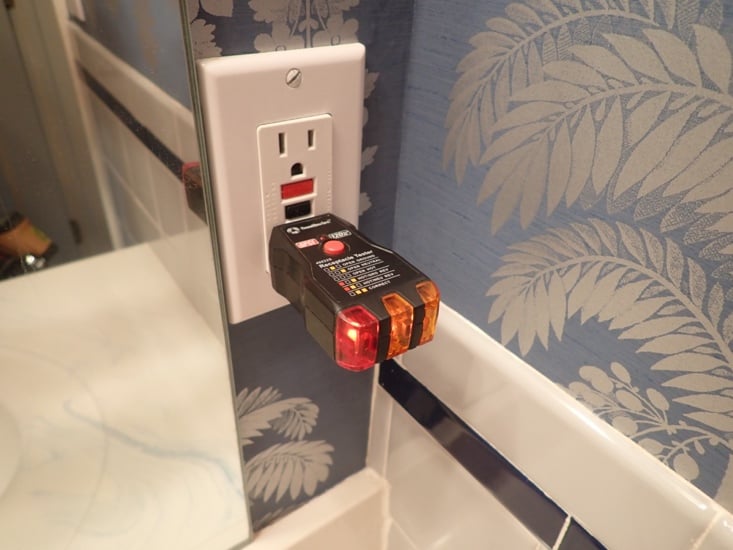
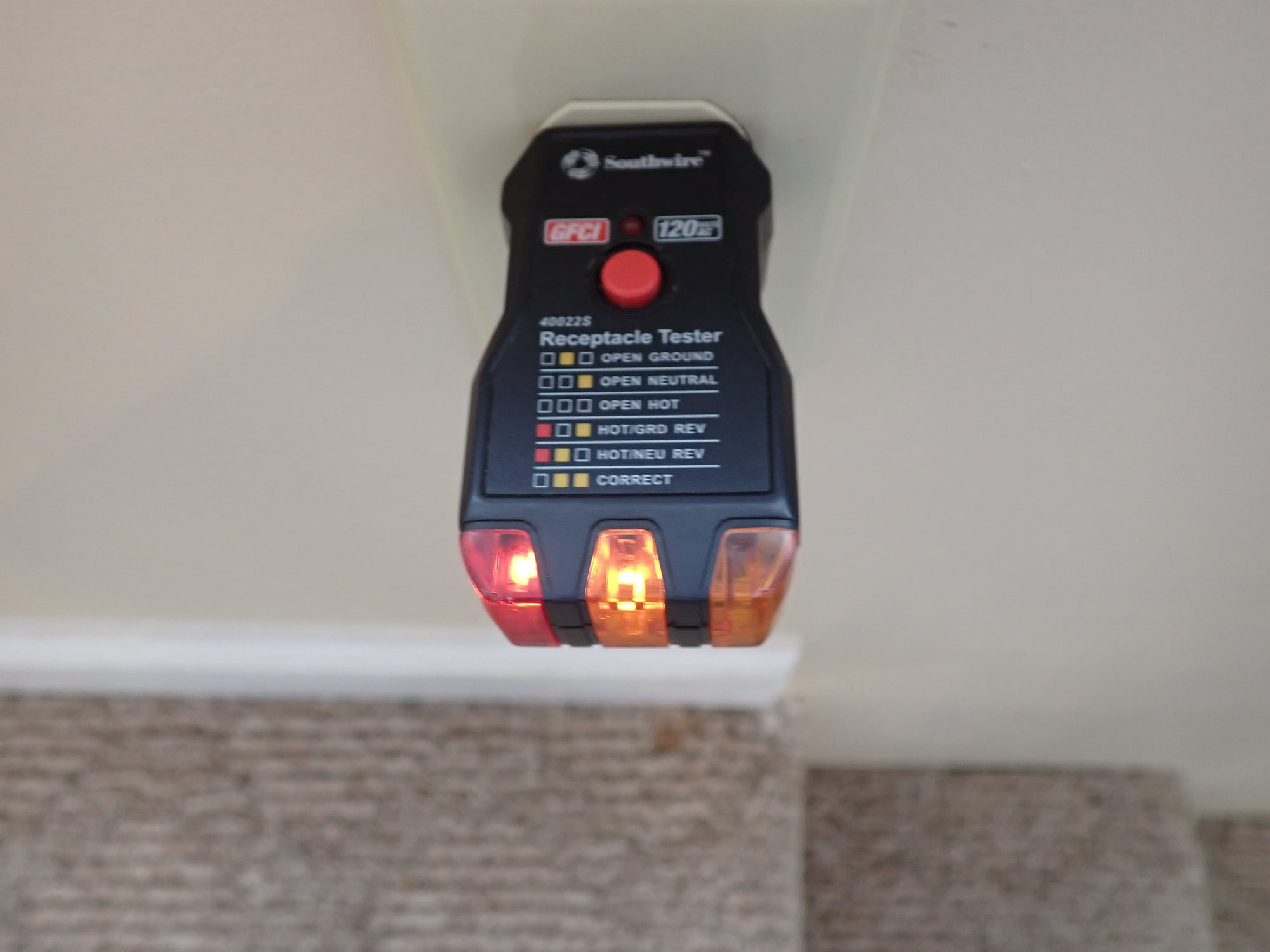
Reversed Polarity Outlet: What the Tester Means
Status Plan for Correction
A plug-in tester reading of hot and neutral reversed—what it means, why it matters, and what a licensed electrician should correct.
View case file
A VAUGHN HOME INSPECTION ORIGINAL
Every house leaves clues.
Real defects found during home inspections—what they look like, why they matter, and what proper correction should accomplish.
Houses don't always make their problems obvious. The House Files helps you recognize warning signs, understand what they could mean, and decide when it's time to call a professional.
See real inspection photos and learn which cracks, stains, damage, and unusual repairs deserve a closer look.
Understand what the condition may mean for the home—and whether it can wait or needs prompt attention.
Learn what should happen next and which type of professional may be needed to evaluate or correct it.
Browse real defects found during inspections—what they look like, how serious they are, and what proper correction should accomplish.
Electrical
Status Plan for Correction
A plug-in tester reading of hot and neutral reversed—what it means, why it matters, and what a licensed electrician should correct.
View case fileElectrical
Status Plan for Correction
A three-prong outlet that tests as having no equipment ground—common in older homes with two-wire wiring. Here’s what it means, why it matters, and how it’s corrected.
View case filePlumbing
Status Plan for Correction
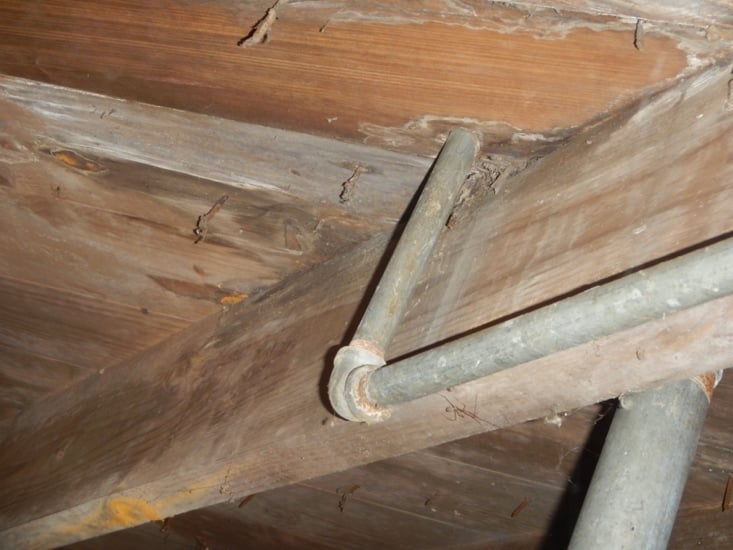
Gray steel water pipe common in homes built before the 1960s. It corrodes from the inside, restricts water flow, and eventually needs replacement—shown in real Upstate SC inspection findings.
View case filePlumbing
Status Plan for Correction
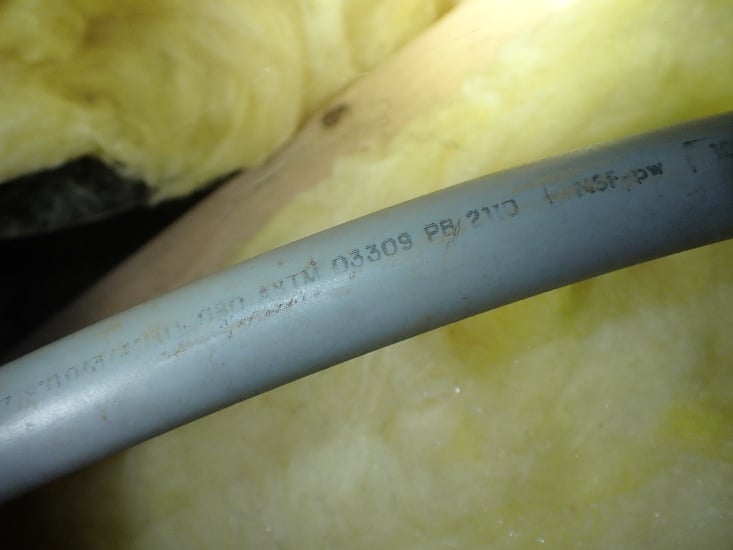
A gray (sometimes blue) plastic water-supply pipe used from the late 1970s into the mid-1990s, no longer used in new construction and known to fail—often without warning. We still find it regularly in Upstate crawlspaces.
View case fileElectrical
Status Immediate Safety Concern
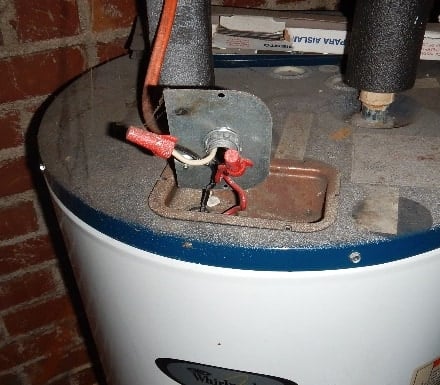
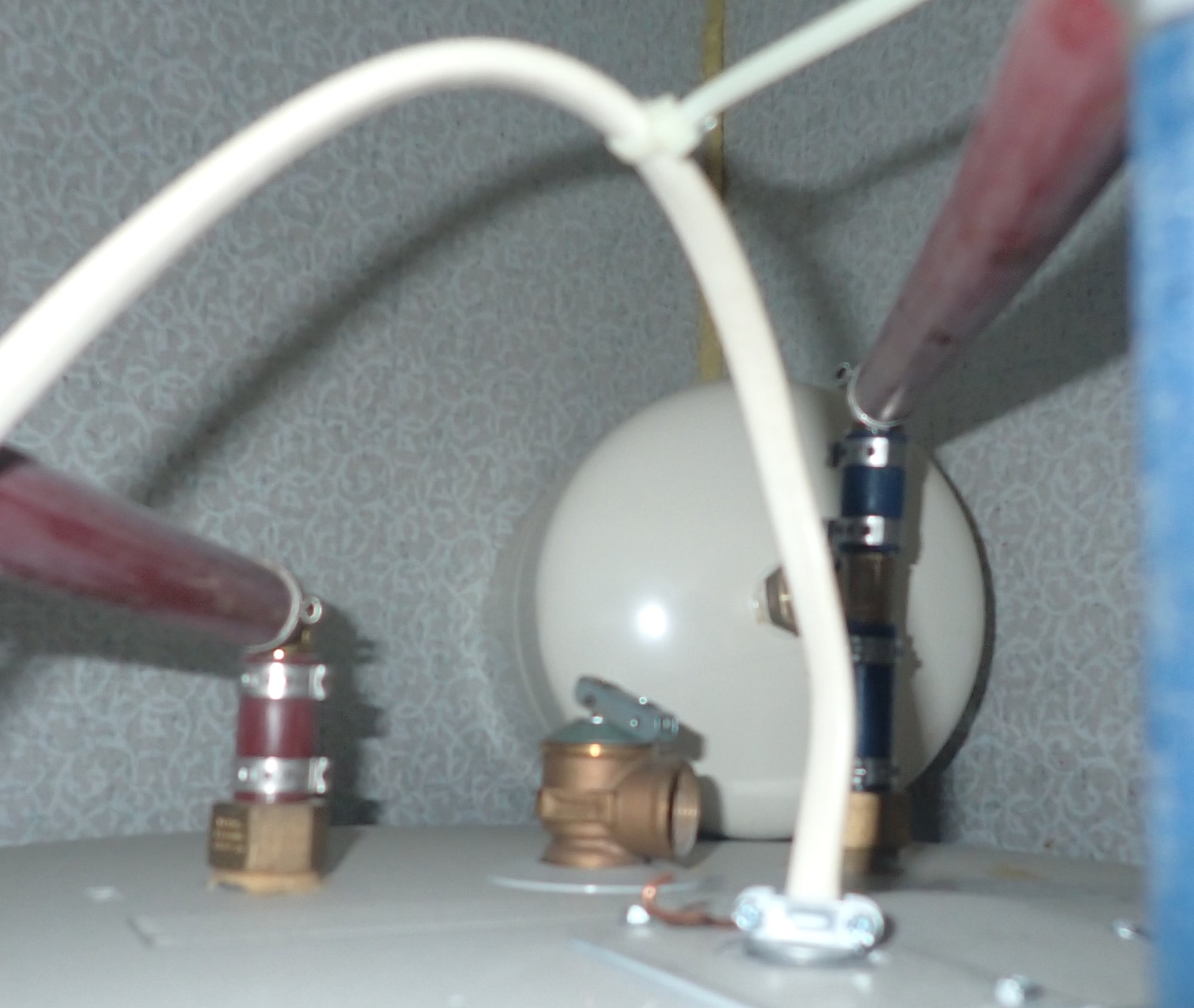
Open electrical covers and exposed splices on a water heater create a shock and fire risk at an always-on appliance.
View case fileElectrical
Status Prompt Evaluation
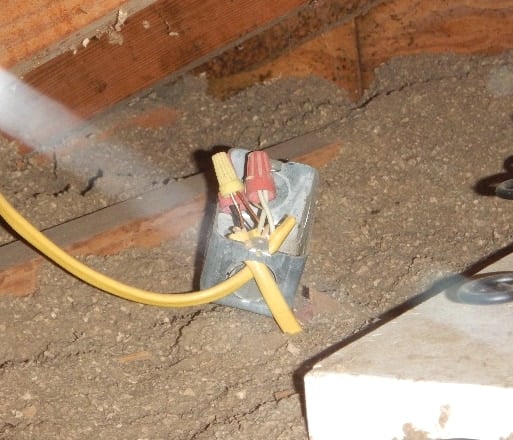
Open electrical junction boxes sitting in attic insulation leave splices exposed where heat and combustibles meet.
View case fileHome Safety
Status Prompt Evaluation
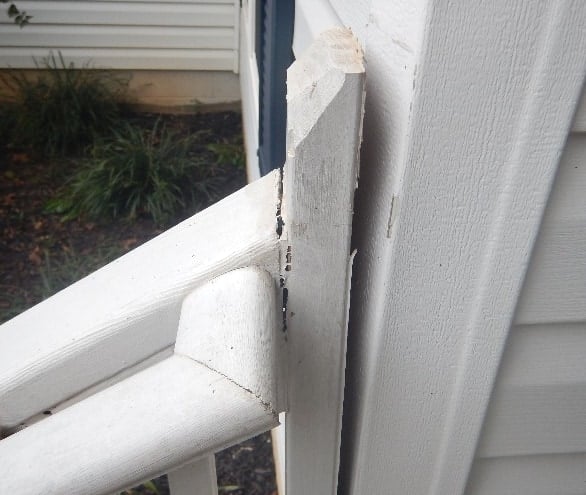
Handrails that pull away from posts or walls leave stairs without a reliable grab point when someone slips.
View case fileKitchen & Appliances
Status Immediate Safety Concern
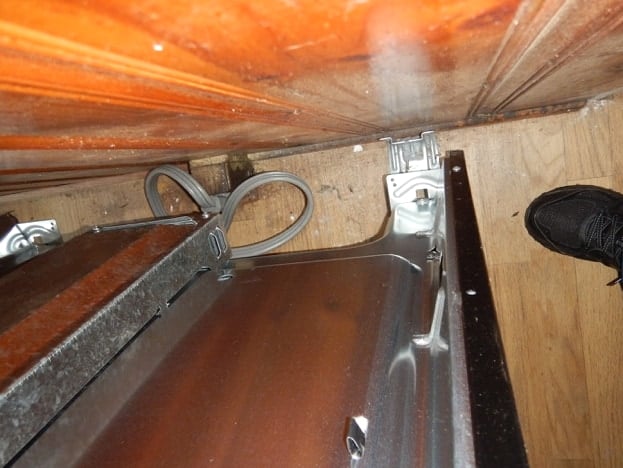
Freestanding ranges that can tip forward when weight is applied to an open oven door—often because the anti-tip bracket is missing or the range is not hooked into it.
View case fileElectrical
Status Prompt Evaluation
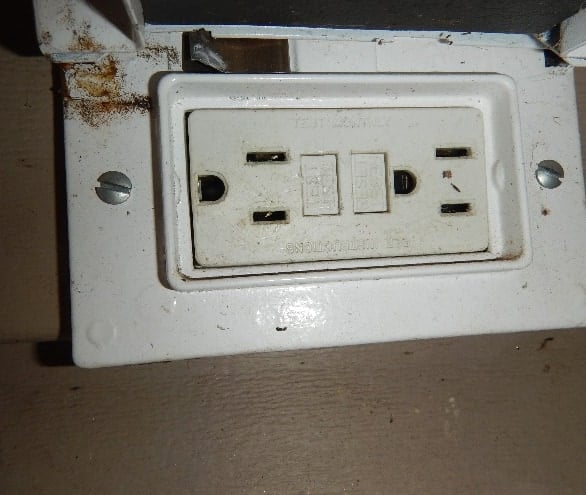
Outdoor GFCI protection that will not trip, shows moisture damage, or otherwise fails the safety device homeowners rely on outdoors.
View case fileHome Safety
Status Immediate Safety Concern
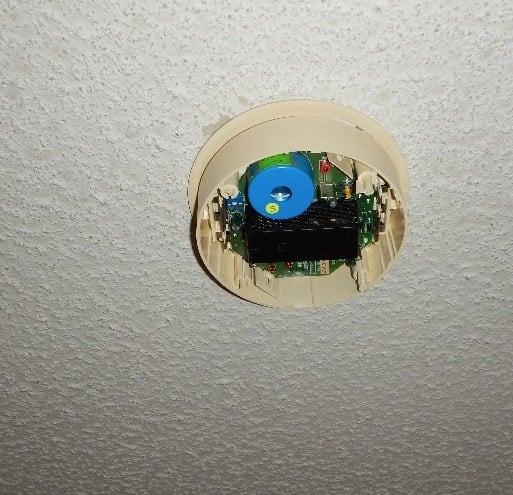
Smoke alarms with missing covers, empty mounting plates, or aged units that no longer protect the home the way they should.
View case fileExterior & Drainage
Status Plan for Correction
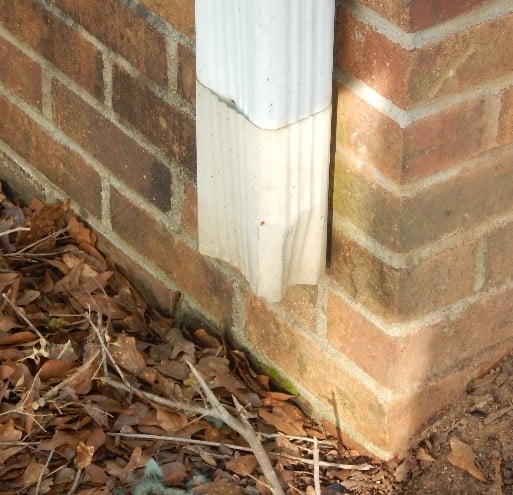
Roof water dumped at the foundation wall is one of the easiest moisture problems to create—and to fix.
View case fileRoofing & Attics
Status Plan for Correction
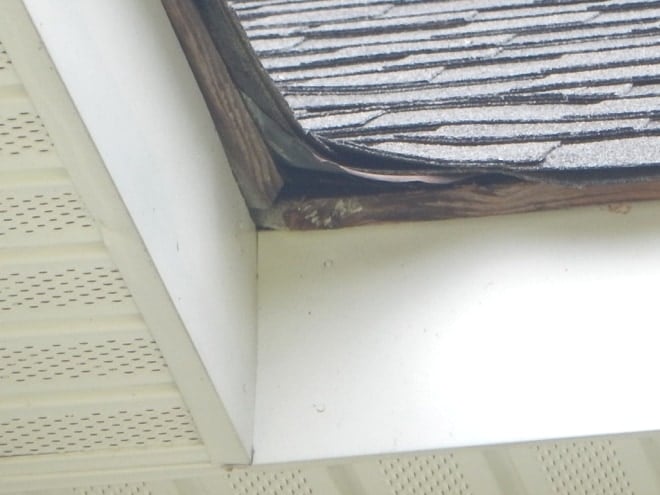
Without drip edge, water can wick into fascia and underlayment edges instead of shedding cleanly off the roof.
View case fileRoofing & Attics
Status Plan for Correction
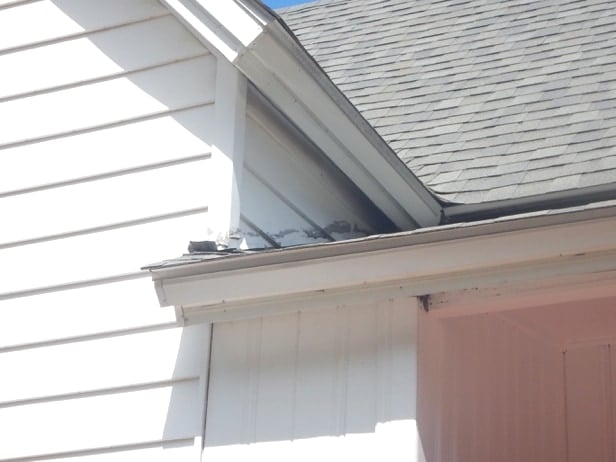
Where a roof meets a wall, missing or failed step flashing can let water slip behind the wall covering and into the framing.
View case fileRoofing & Attics
Status Plan for Correction
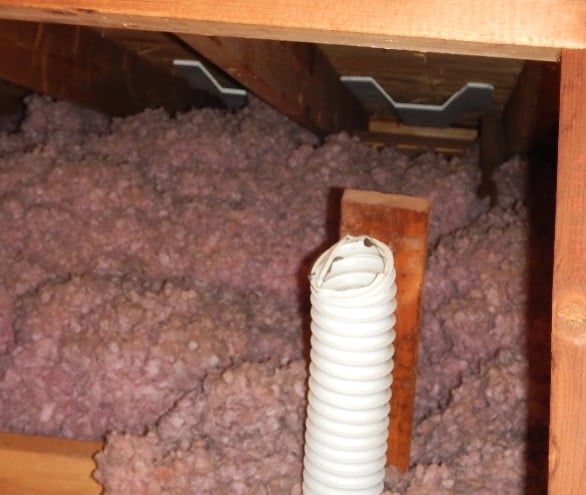
A bathroom exhaust fan that dumps moist air into the attic instead of outdoors can wet insulation and framing.
View case fileExterior & Drainage
Status Plan for Correction
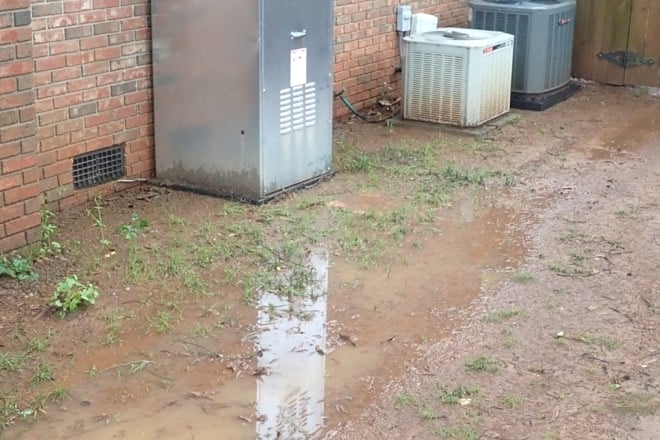
When soil slopes toward the house, stormwater can collect at the foundation and feed crawlspace or basement moisture.
View case fileExterior & Drainage
Status Plan for Correction
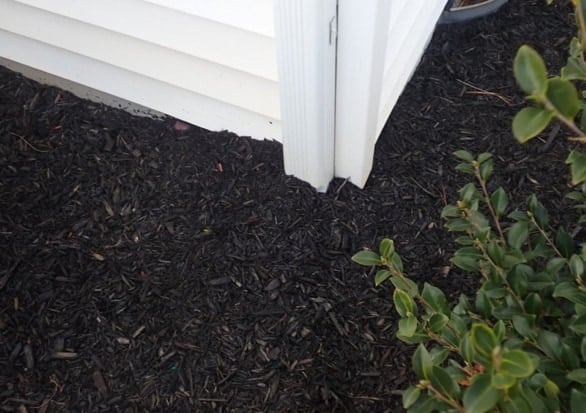
When cladding sits near or in soil and mulch, moisture and pests get a direct path into the wall assembly.
View case fileElectrical
Status Prompt Evaluation
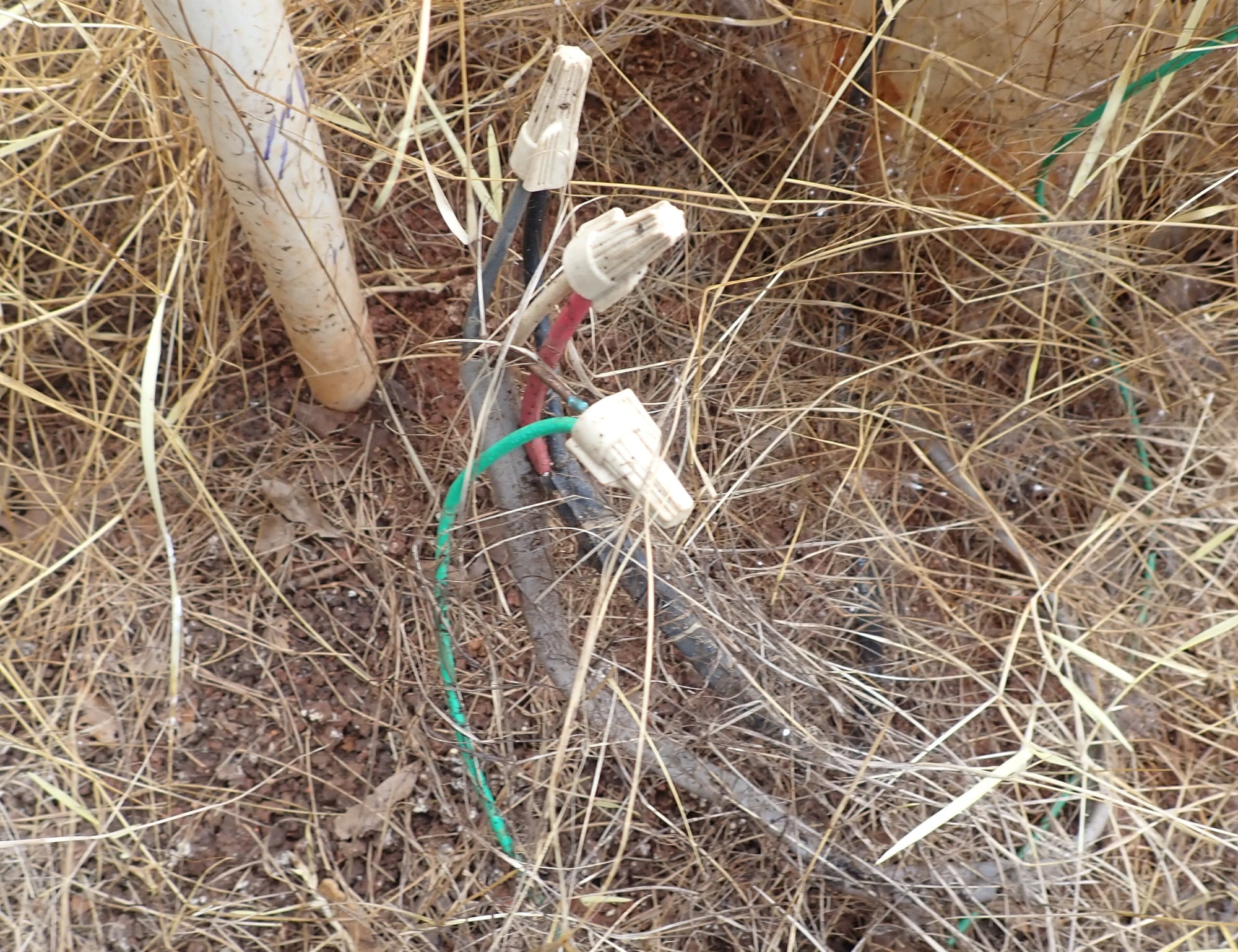
Exposed outdoor wire connectors near grade—why an enclosure rated for the location matters.
View case fileElectrical
Status Plan for Correction
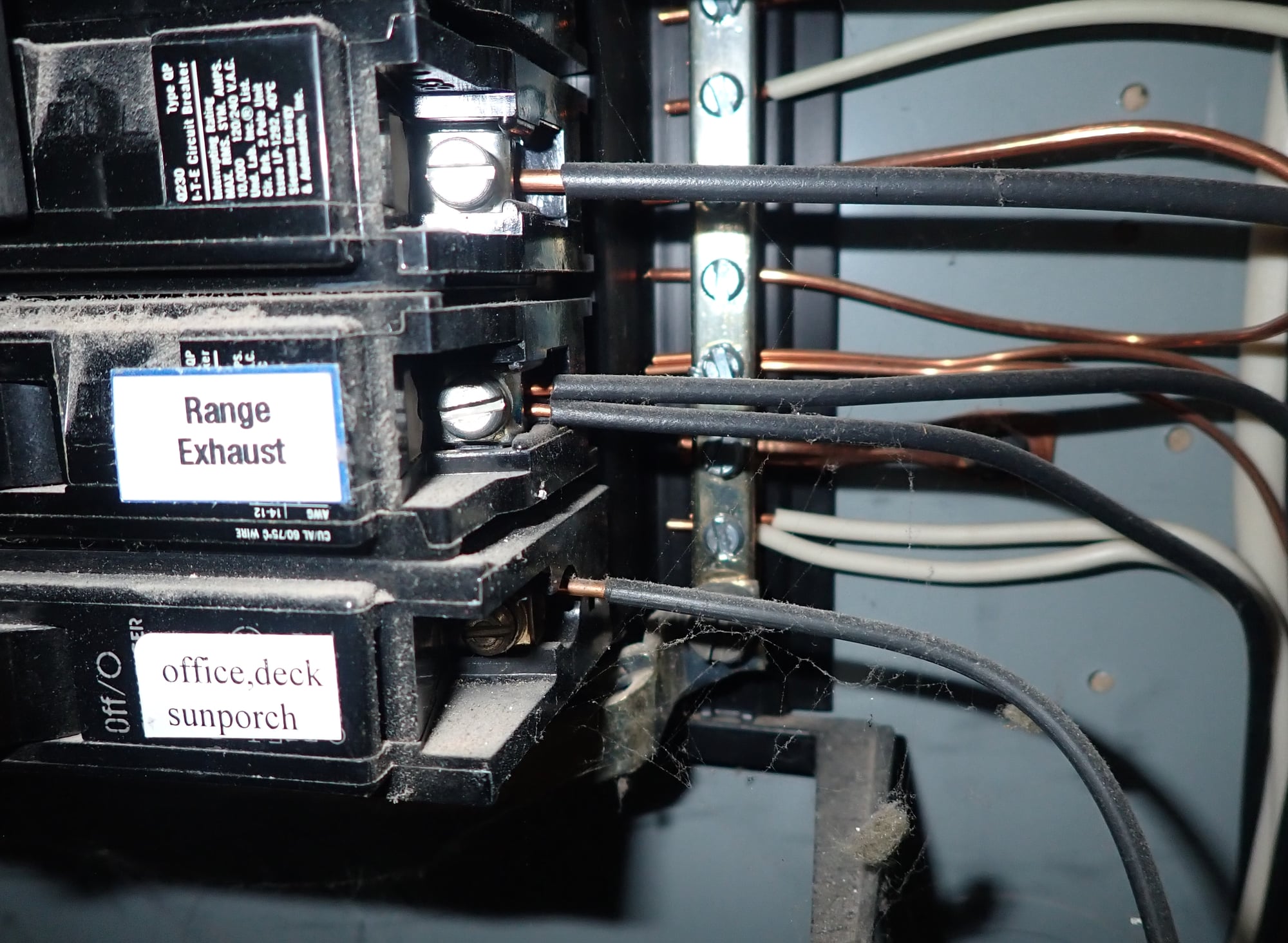
Two conductors on one breaker terminal need listing verification—many breakers allow only one wire.
View case filePlumbing
Status Plan for Correction
Real inspection examples of missing pipes, crawlspace terminations, pan-only drains, and a leaking discharge stub—and what proper piping should accomplish.
View case fileElectrical
Status Immediate Safety Concern
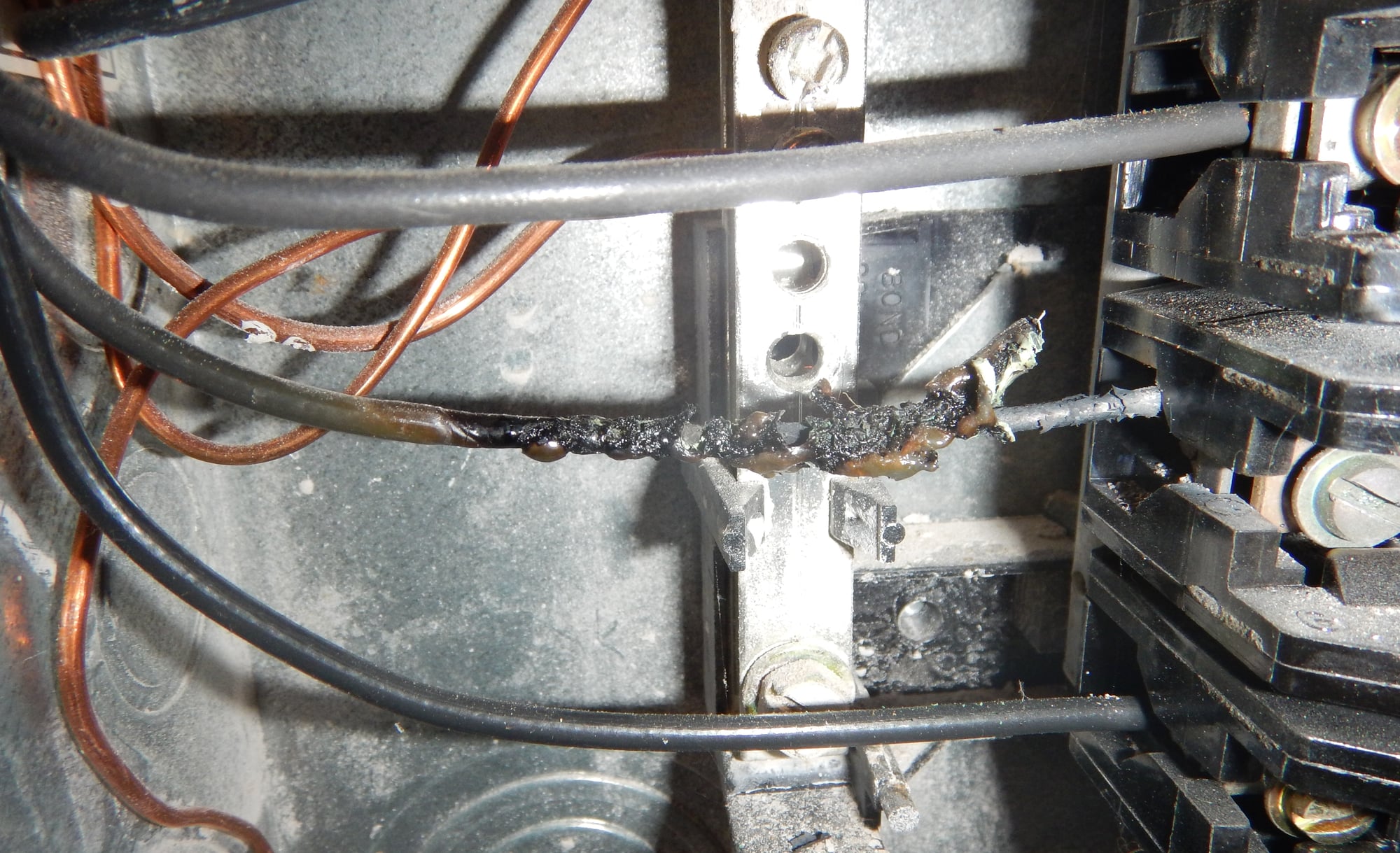
A conductor inside a service panel was hissing, burning, and melting—an immediate fire hazard that needs a licensed electrician, not a DIY patch.
View case fileStructure & Foundation
Status Prompt Evaluation
Severely damaged framing beneath a bathroom had been propped up with blocks, posts, shims, and added lumber instead of properly repaired.
View case fileStructure & Foundation
Status Prompt Evaluation
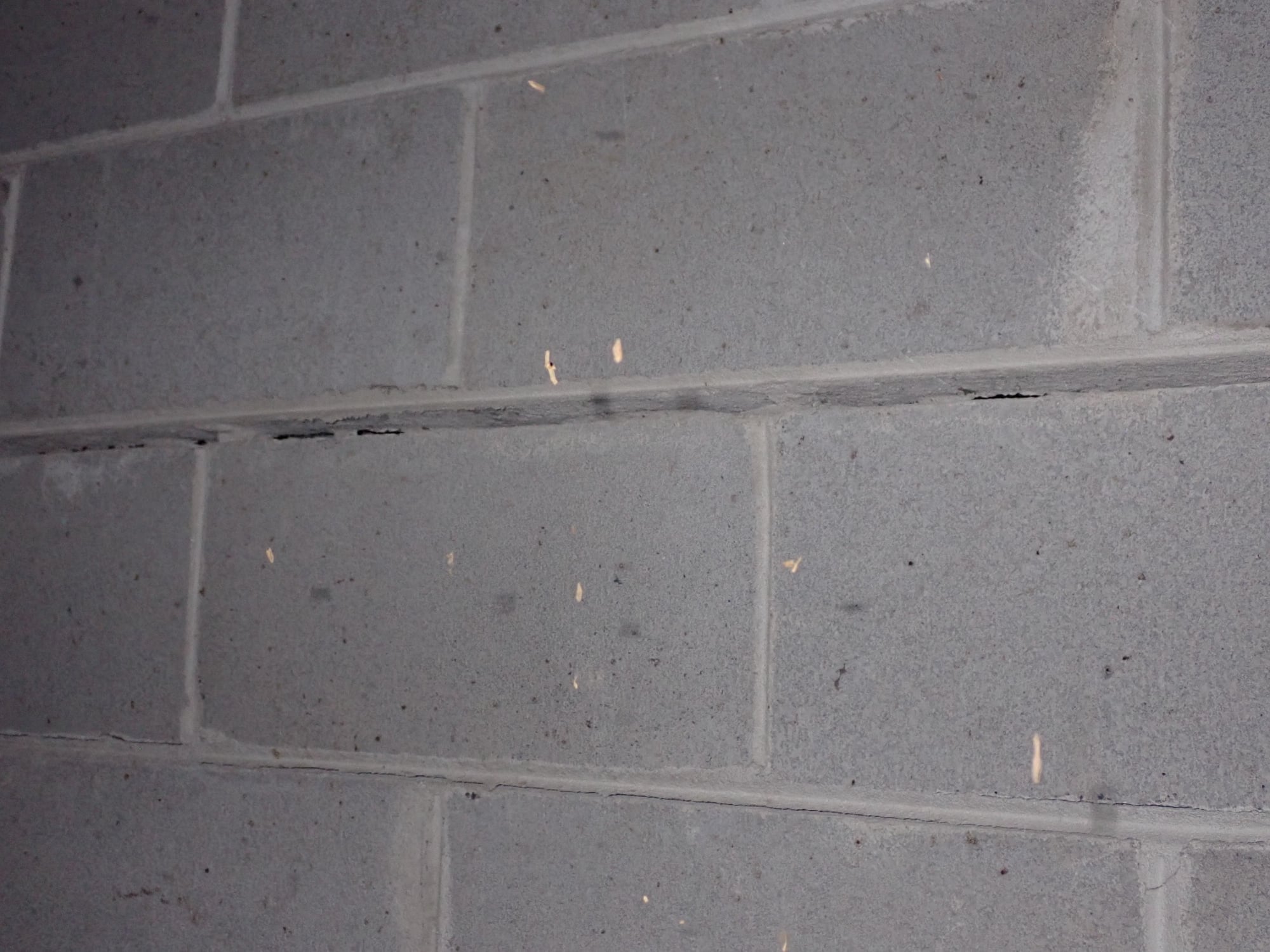
Horizontal separation and inward displacement in a concrete-block basement wall—reported as soil pressure pushing the wall inward.
View case fileStructure & Foundation
Status Prompt Evaluation
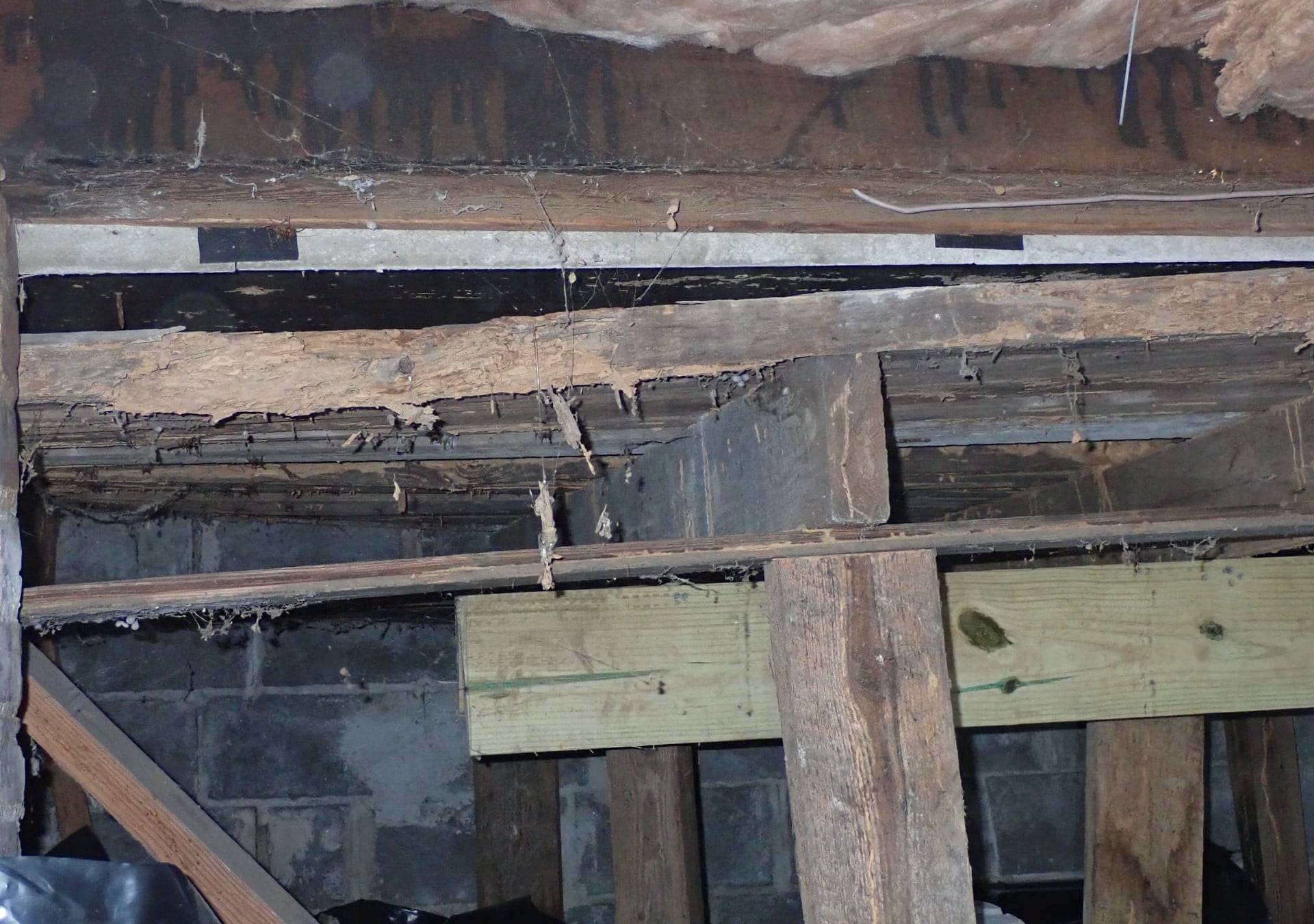
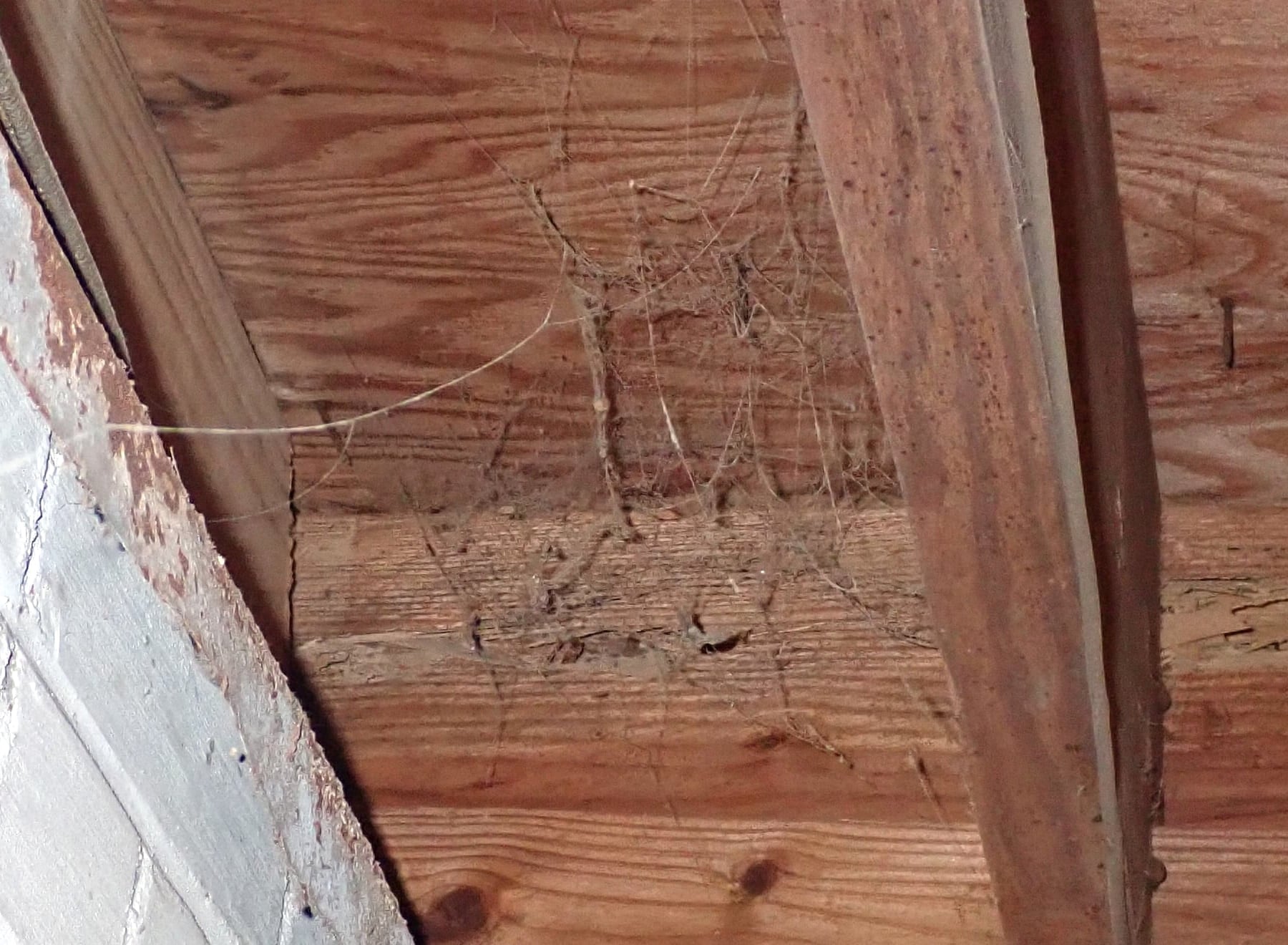
Substantial termite damage compromised a center floor joist; an added girder and jack posts supported the damaged wood rather than repairing it.
View case fileThese case files help you recognize conditions and ask better questions. They cannot determine the complete condition of a specific property.