
Amazon.com
First Alert SM210 10-Year Sealed Battery Smoke Alarm
A sealed 10-year battery alarm for replacing missing or damaged units. Install and place per the manufacturer instructions and local requirements.
View on AmazonSmoke alarms with missing covers, empty mounting plates, or aged units that no longer protect the home the way they should.
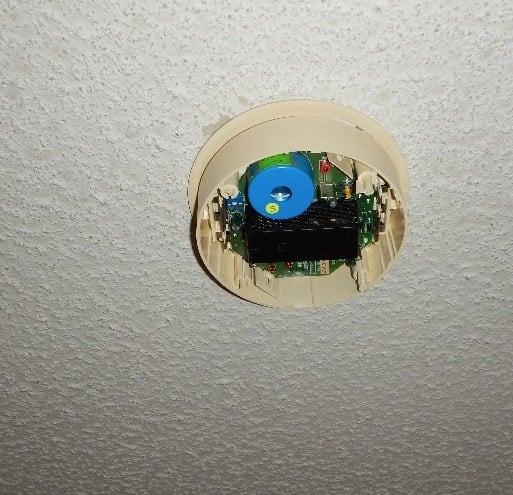
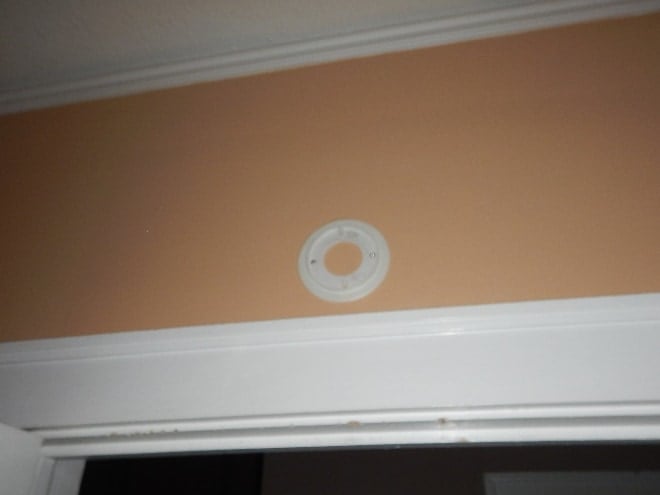
Smoke alarms that are missing, damaged, or missing their covers are not providing reliable fire warning. Damaged or missing units should be replaced with working alarms in the required locations, and older detectors (typically beyond about ten years) should be replaced as a routine safety update.
IMMEDIATE SAFETY CONCERN
Replace damaged or missing smoke alarms now so working detectors protect sleeping areas and common paths. If you have gas appliances or an attached garage, make sure carbon monoxide detection is in place as well.
Do not disable working alarms. If a unit is chirping or damaged, replace it rather than removing it without installing a replacement.
Smoke alarms are early-warning devices. When the cover is gone, the unit is removed, or the device is damaged, occupants may not get a timely alarm if smoke develops.
Homes with fuel-burning appliances also benefit from carbon monoxide alarms; if gas appliances are present and CO detection is missing, that should be corrected as well.
Photographs document the condition of the devices shown. They do not prove every room’s coverage or the exact age of every unit in the home.
In real inspections, smoke alarms were found with the cover removed (internals exposed) or with only an empty mounting plate left on the wall after the unit was taken down. Reports recommended replacing damaged or missing detectors so working alarms protect the bedrooms and common areas outside of the bedrooms.
Amazon.com
A sealed 10-year battery alarm for replacing missing or damaged units. Install and place per the manufacturer instructions and local requirements.
View on AmazonAmazon.com
Battery-powered option when hardwiring is not practical. Working alarms should protect bedrooms and the common areas outside the bedrooms.
View on AmazonAs an Amazon Associate I earn from qualifying purchases. These are optional examples related to this topic—not an endorsement by Amazon, and not a substitute for a qualified professional when the repair calls for one.
Home Safety
Status Prompt Evaluation
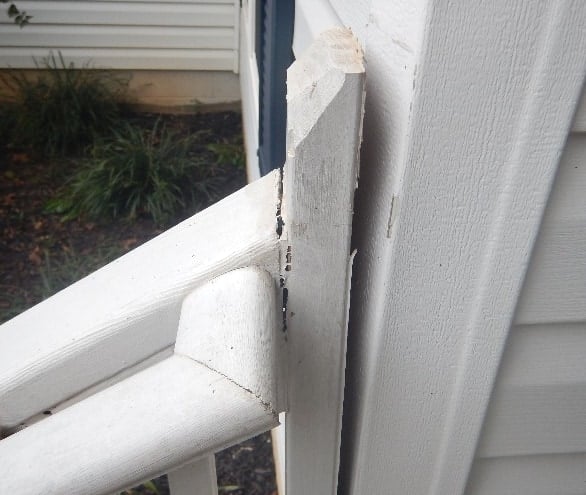
Handrails that pull away from posts or walls leave stairs without a reliable grab point when someone slips.
View case fileKitchen & Appliances
Status Immediate Safety Concern
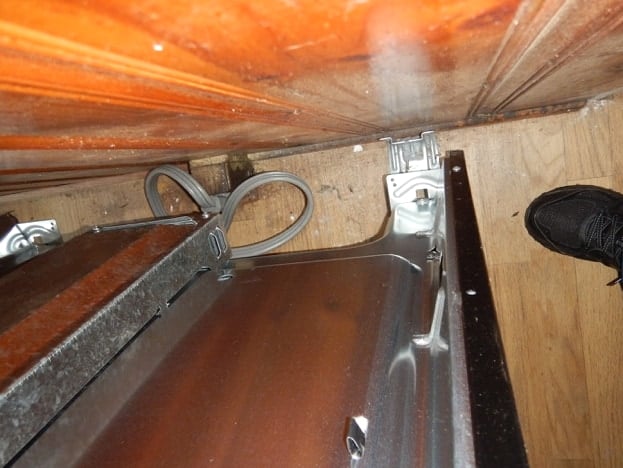
Freestanding ranges that can tip forward when weight is applied to an open oven door—often because the anti-tip bracket is missing or the range is not hooked into it.
View case fileElectrical
Status Plan for Correction
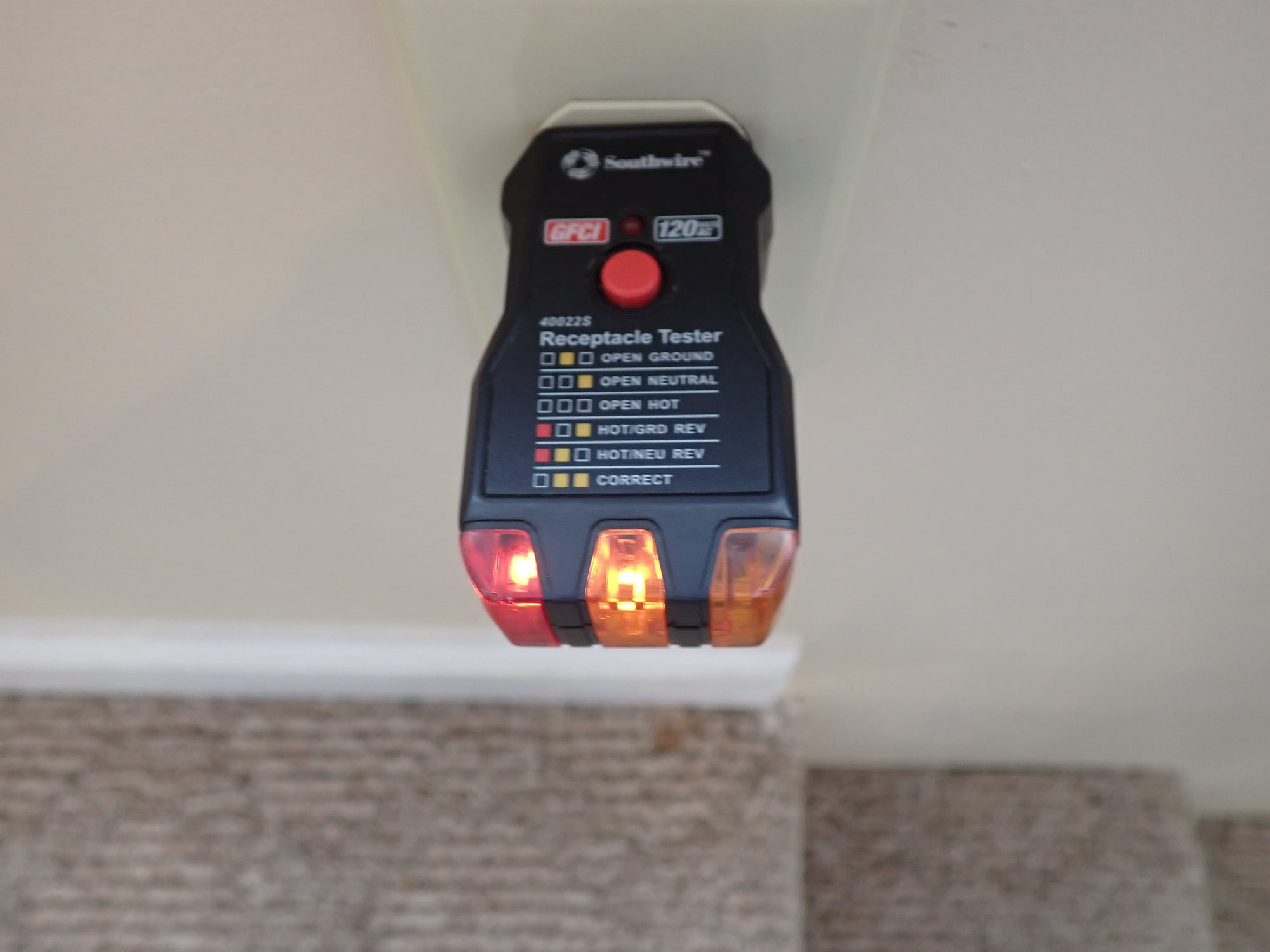
A plug-in tester reading of hot and neutral reversed—what it means, why it matters, and what a licensed electrician should correct.
View case fileElectrical
Status Plan for Correction
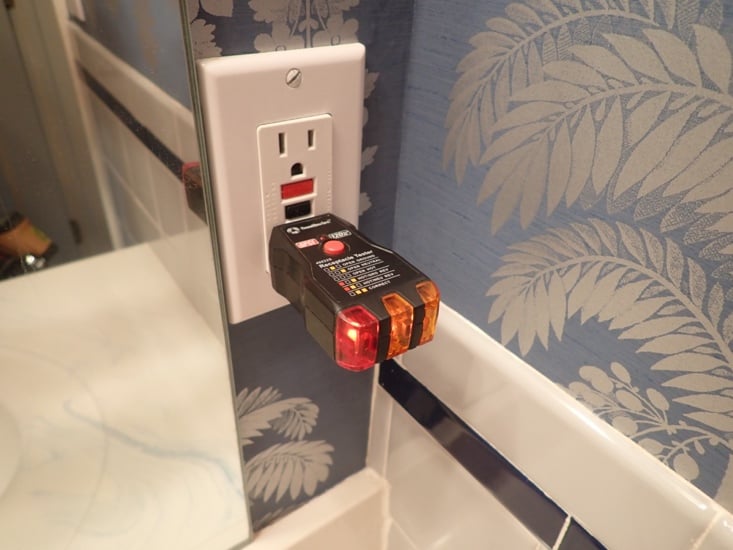
A three-prong outlet that tests as having no equipment ground—common in older homes with two-wire wiring. Here’s what it means, why it matters, and how it’s corrected.
View case filePlumbing
Status Plan for Correction
Gray steel water pipe common in homes built before the 1960s. It corrodes from the inside, restricts water flow, and eventually needs replacement—shown in real Upstate SC inspection findings.
View case fileArticle
The most common defects we document during home inspections — from water heaters and electrical issues to crawlspace damage.
Read more