Exterior & Drainage
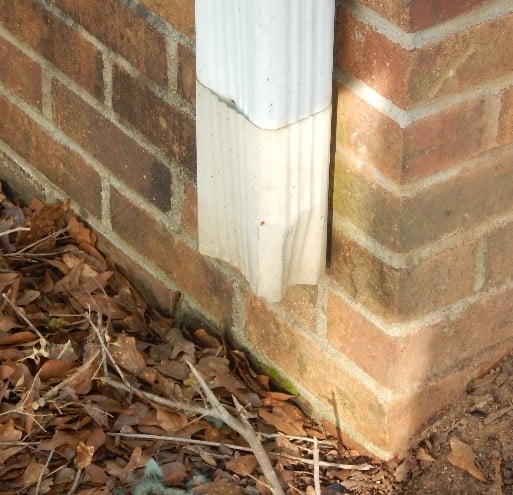
Downspouts Discharging at the Foundation
Status Plan for Correction
Roof water dumped at the foundation wall is one of the easiest moisture problems to create—and to fix.
View case fileTHE HOUSE FILES · Exterior & Drainage
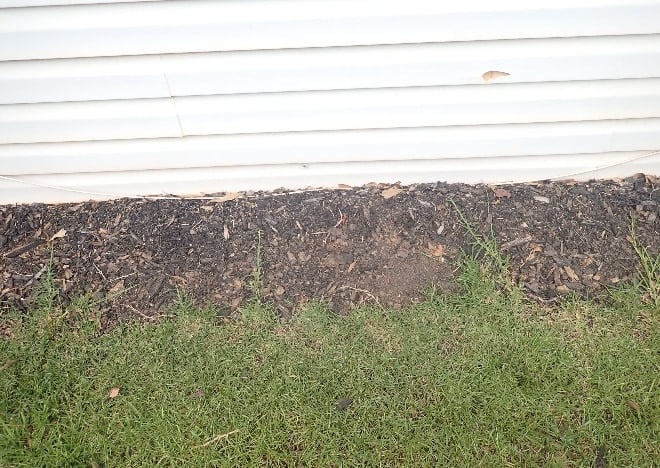
When cladding sits near or in soil and mulch, moisture and pests get a direct path into the wall assembly.
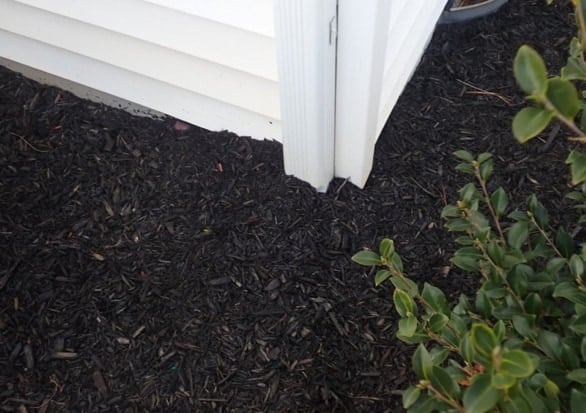
Siding, trim, and many manufactured wall products need clearance above soil and mulch so the wall can dry and pests are less likely to enter. Material against grade is a common exterior defect and should be corrected by lowering grade, adjusting landscaping, or repairing cladding as appropriate.
PLAN FOR CORRECTION
Have a qualified contractor restore clearance at the base of the cladding and repair any damaged materials. Keep drainage sloping away from the foundation after landscaping changes.
Wall coverings and their edges are designed to shed water and dry. Continuous contact with soil or wet mulch keeps materials damp, encourages decay in wood components, and can create concealed paths for insects.
Manufacturer instructions for many cladding products specify minimum clearances above soil and hard surfaces. Local practice may also require clearance at brick weeps and flashings.
Seeing cladding at grade documents an installation/maintenance concern. It does not prove the full extent of any hidden cavity moisture without opening the wall.
In real inspections, mulch and ground cover were found pulled up against vinyl siding. Reports recommended pulling landscaping materials away from the cladding to restore clearance and reduce moisture/insect pathways.
Exterior & Drainage
Status Plan for Correction
Roof water dumped at the foundation wall is one of the easiest moisture problems to create—and to fix.
View case fileExterior & Drainage
Status Plan for Correction
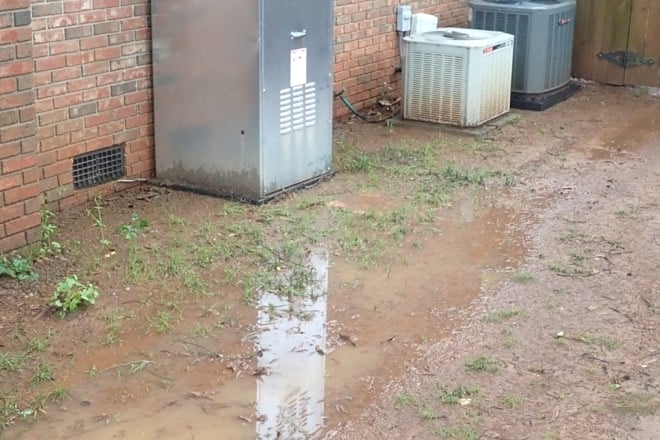
When soil slopes toward the house, stormwater can collect at the foundation and feed crawlspace or basement moisture.
View case fileElectrical
Status Plan for Correction
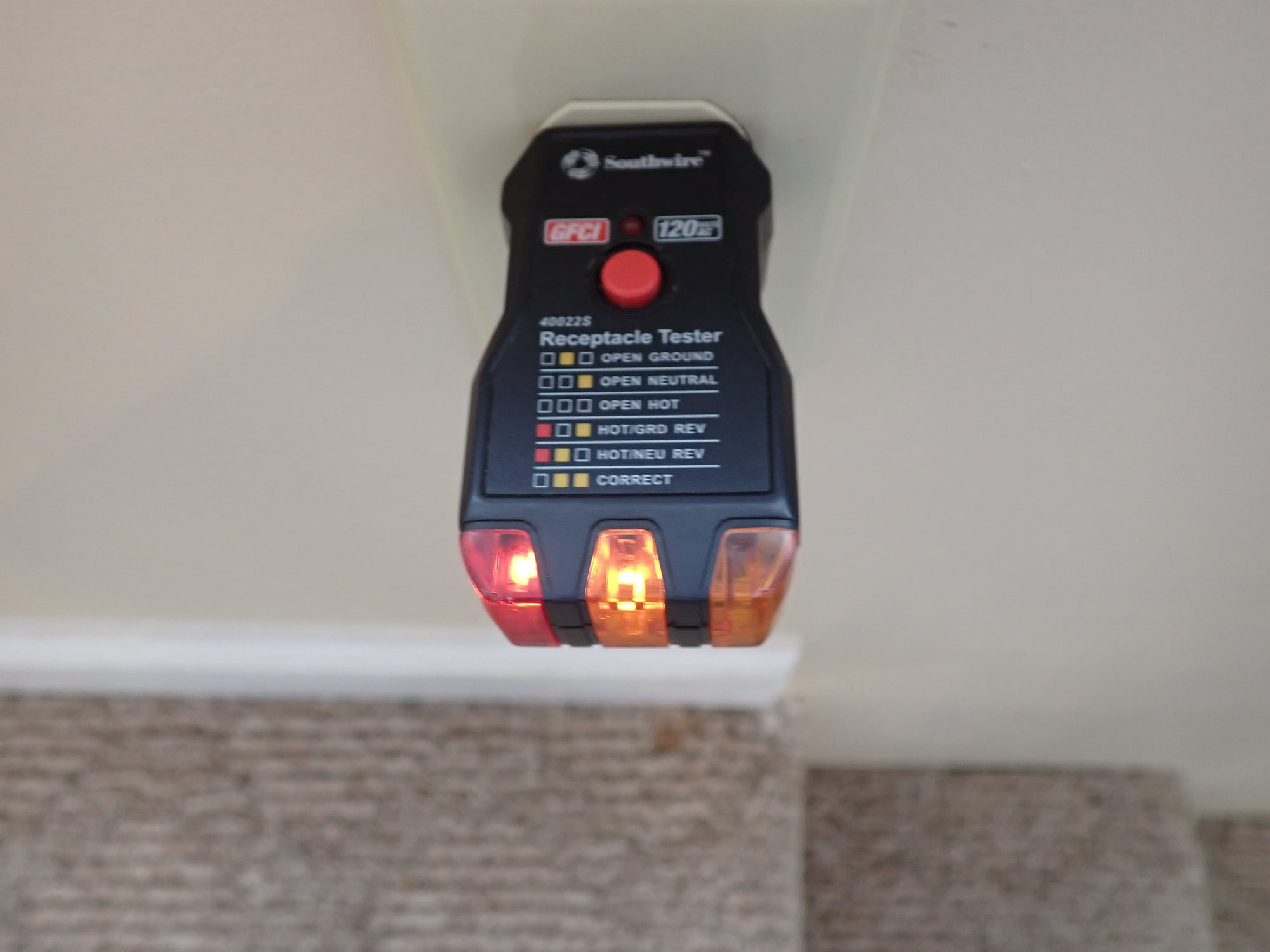
A plug-in tester reading of hot and neutral reversed—what it means, why it matters, and what a licensed electrician should correct.
View case fileElectrical
Status Plan for Correction
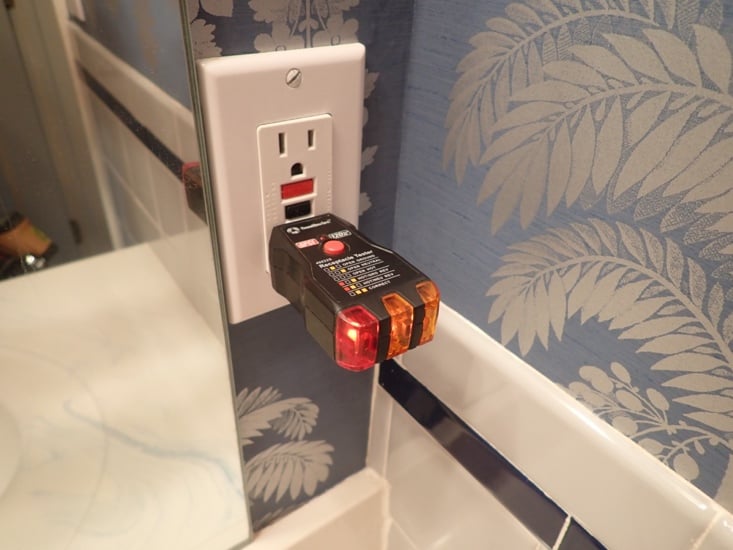
A three-prong outlet that tests as having no equipment ground—common in older homes with two-wire wiring. Here’s what it means, why it matters, and how it’s corrected.
View case filePlumbing
Status Plan for Correction
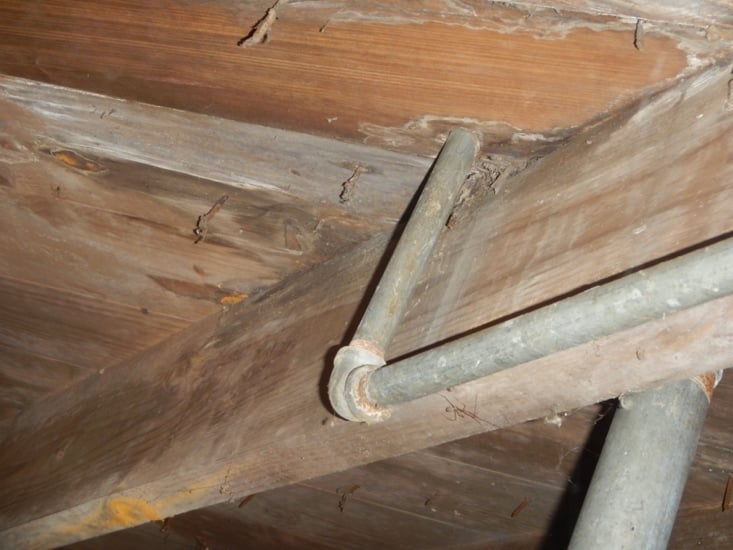
Gray steel water pipe common in homes built before the 1960s. It corrodes from the inside, restricts water flow, and eventually needs replacement—shown in real Upstate SC inspection findings.
View case file