
Amazon.com
Broan-NuTone Roof Vent Kit for Bath Fans
Bath fans should discharge outdoors through a proper roof or wall termination—not into the attic. Roof flashing work is usually best handled by a qualified contractor.
View on AmazonTHE HOUSE FILES · Roofing & Attics
A bathroom exhaust fan that dumps moist air into the attic instead of outdoors can wet insulation and framing.
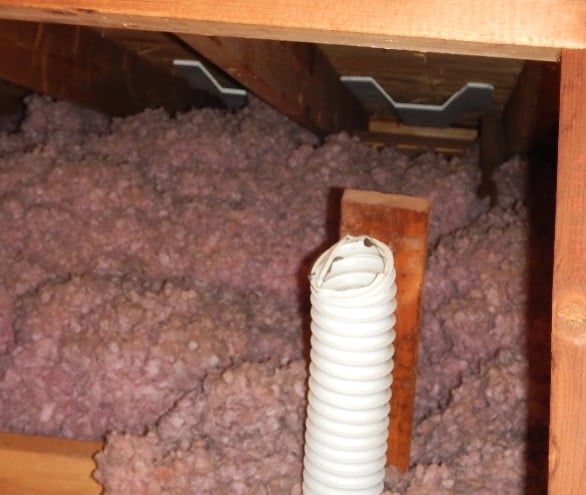
Bathroom exhaust fans should discharge outdoors through a roof or wall termination—not into an attic, soffit intake, or loose in insulation. A duct that ends in the attic dumps moisture into a cold space where it can condense on framing and wetting insulation. This should be corrected.
PLAN FOR CORRECTION
Have a qualified contractor reconnect the bath fan to a proper outdoor termination so moist air leaves the building. Address damp insulation or stained sheathing found near the old termination.
If you see widespread mold-like growth or have respiratory concerns, limit disturbance of contaminated materials and use appropriate professionals.
Bathing and showering put a lot of moisture into the air. The fan’s job is to move that moist air outside before it condenses in cooler building cavities.
When the duct ends in the attic, that moisture can wet insulation, sheathing, and framing—especially in cooler weather. Soffit terminations that mix exhaust with attic intake can also push moisture back into the attic.
Finding an open duct end documents a clear installation problem. It does not, by itself, prove the scope of any microbial growth or structural damage elsewhere in the attic.
In real attic inspections, bathroom exhaust ducts were found ending in attic insulation or open attic air. Reports recommended routing the fan to a proper exterior termination.
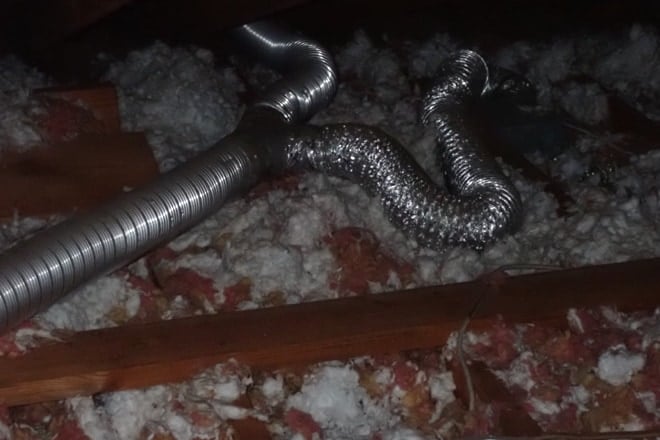
No. A bathroom exhaust fan should discharge outdoors, not into the attic. Dumping moist air into a cold attic lets moisture condense on framing and wet the insulation.
It should terminate outdoors through a dedicated roof or wall termination — not into the attic, a soffit intake, or simply loose in the insulation.
Trapped moisture can wet insulation and reduce its effectiveness, promote mold growth, and contribute to rot in roof framing over time. This should be corrected.
Amazon.com
Bath fans should discharge outdoors through a proper roof or wall termination—not into the attic. Roof flashing work is usually best handled by a qualified contractor.
View on AmazonAs an Amazon Associate I earn from qualifying purchases. These are optional examples related to this topic—not an endorsement by Amazon, and not a substitute for a qualified professional when the repair calls for one.
Roofing & Attics
Status Plan for Correction
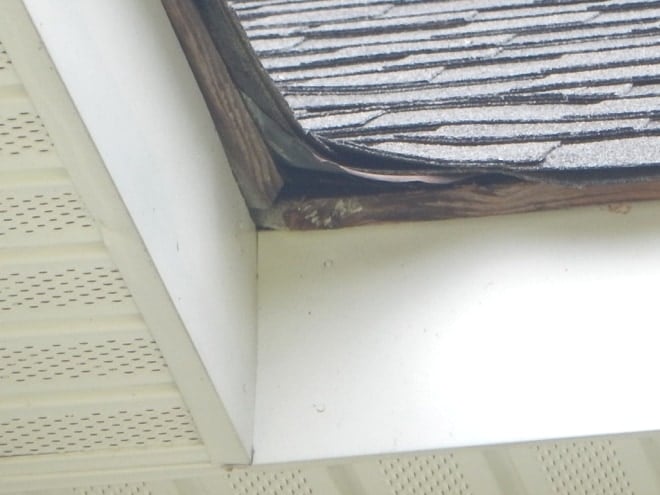
Without drip edge, water can wick into fascia and underlayment edges instead of shedding cleanly off the roof.
View case fileRoofing & Attics
Status Plan for Correction
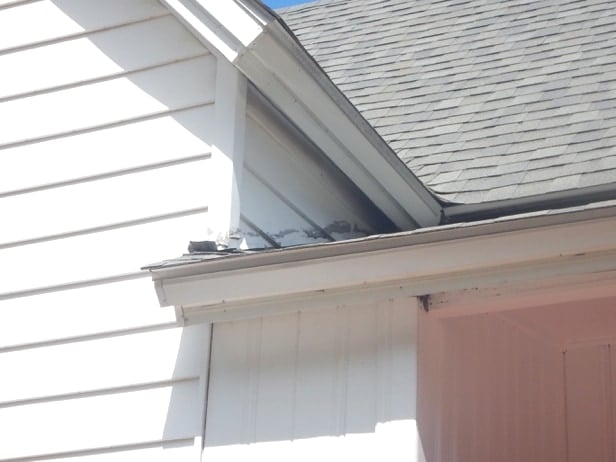
Where a roof meets a wall, missing or failed step flashing can let water slip behind the wall covering and into the framing.
View case fileElectrical
Status Plan for Correction
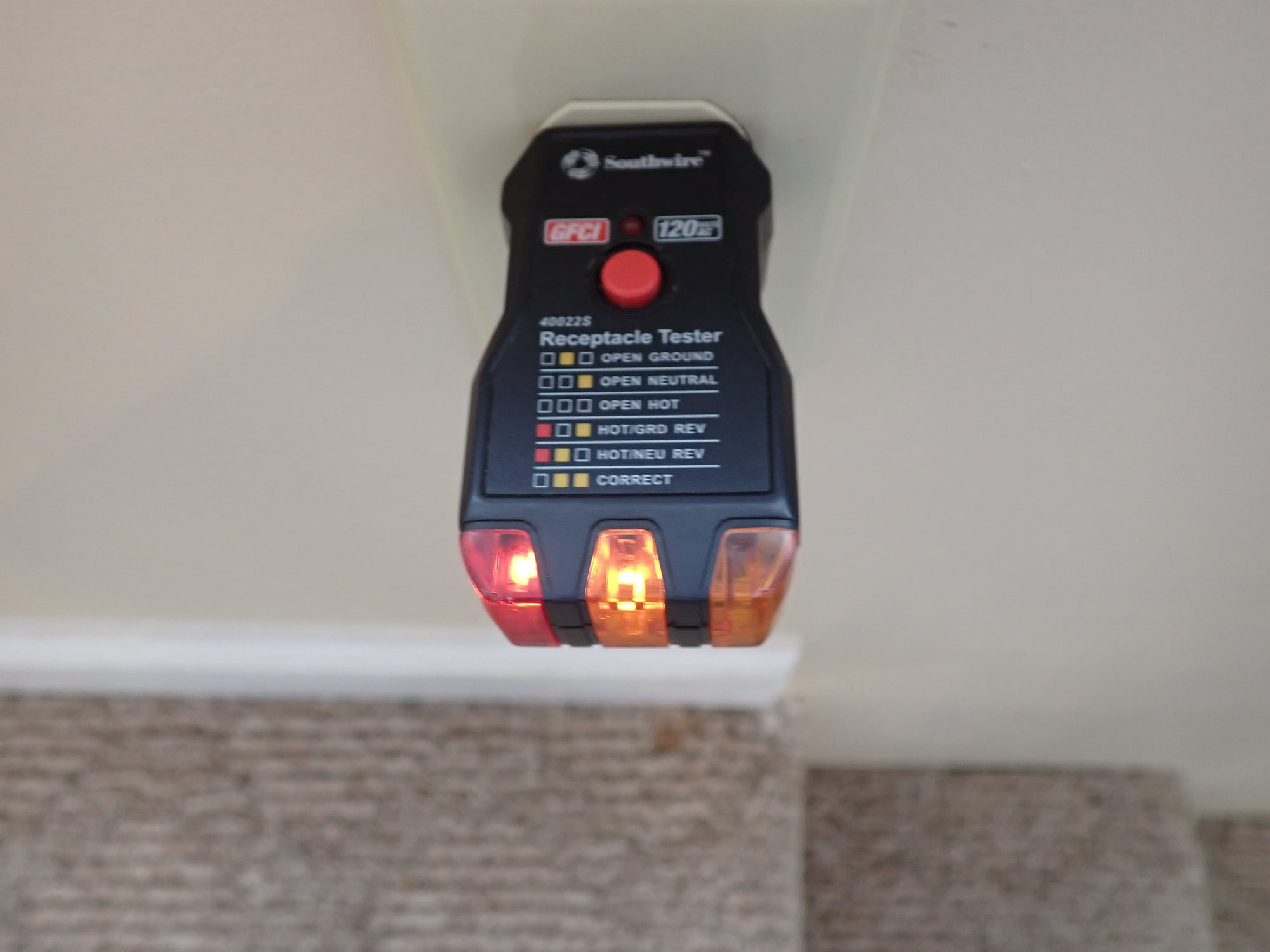
A plug-in tester reading of hot and neutral reversed—what it means, why it matters, and what a licensed electrician should correct.
View case fileElectrical
Status Plan for Correction
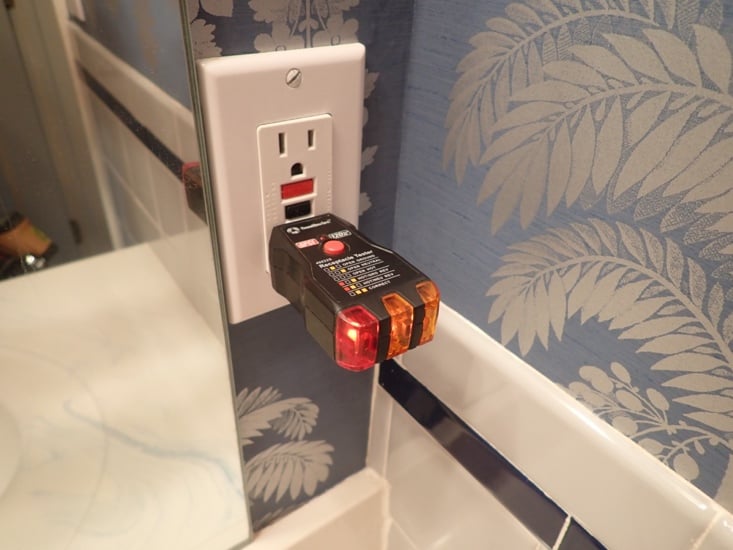
A three-prong outlet that tests as having no equipment ground—common in older homes with two-wire wiring. Here’s what it means, why it matters, and how it’s corrected.
View case filePlumbing
Status Plan for Correction
Gray steel water pipe common in homes built before the 1960s. It corrodes from the inside, restricts water flow, and eventually needs replacement—shown in real Upstate SC inspection findings.
View case fileArticle
The most common defects we document during home inspections — from water heaters and electrical issues to crawlspace damage.
Read more