
Amazon.com
Klein Tools RT210 GFCI / Outlet Tester
Useful for confirming whether an exterior GFCI trips and resets before scheduling an electrician. Failed or corroded devices still need proper repair or replacement.
View on AmazonOutdoor GFCI protection that will not trip, shows moisture damage, or otherwise fails the safety device homeowners rely on outdoors.
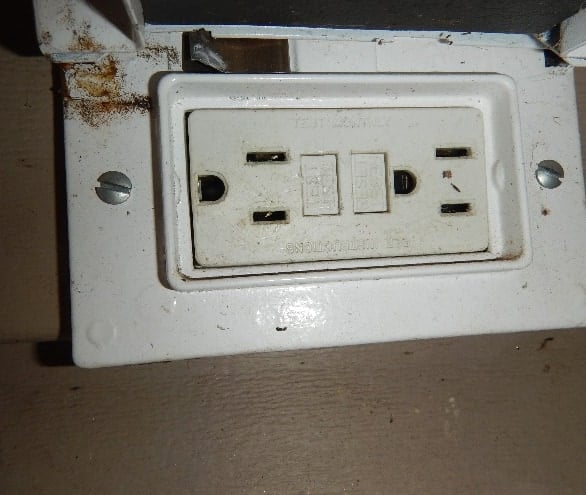
Exterior receptacles in wet or damp locations need working GFCI protection. A GFCI that will not trip, has no power, or shows heavy corrosion should be repaired or replaced by a qualified electrician—not left in service as if it were protecting people outdoors.
PROMPT EVALUATION
Have a licensed electrician test and replace failed outdoor GFCI devices, repair moisture-damaged covers/boxes, and confirm exterior receptacles are properly protected.
Do not keep using an outdoor receptacle that fails GFCI testing, especially in wet conditions.
GFCI devices open the circuit when they sense a ground-fault imbalance—exactly the shock scenario that happens outdoors with wet conditions and grounded surfaces.
When the device will not trip, or moisture has clearly damaged the assembly, that protection may be unreliable. Exterior covers and gaskets matter too; they keep water out of the box.
A photograph of corrosion documents moisture exposure. Testing confirms whether the GFCI still functions.
In a real inspection, an exterior GFCI on the front porch would not trip when tested and was recommended for replacement. Outdoor receptacles also commonly show moisture staining or corrosion that suggests the protection device should be evaluated or replaced.
A GFCI that won't reset may be doing its job by holding on a detected fault, or it may have failed, lost power upstream, or been damaged by moisture and corrosion. Because outdoor receptacles are exposed to weather, moisture intrusion is a common cause.
Not always — the cause should be identified first. If the device itself is damaged or corroded, it should be replaced; if it is holding on a real fault, the underlying circuit problem must be corrected. A licensed electrician can determine which.
Outdoor receptacles are in a location where GFCI protection is expected to guard against shock. An exterior outlet with no working GFCI protection should be evaluated and corrected by a qualified electrician.
Amazon.com
Useful for confirming whether an exterior GFCI trips and resets before scheduling an electrician. Failed or corroded devices still need proper repair or replacement.
View on AmazonAmazon.com
An in-use cover helps protect a working outdoor receptacle from weather after the GFCI itself is corrected.
View on AmazonAs an Amazon Associate I earn from qualifying purchases. These are optional examples related to this topic—not an endorsement by Amazon, and not a substitute for a qualified professional when the repair calls for one.
Electrical
Status Plan for Correction
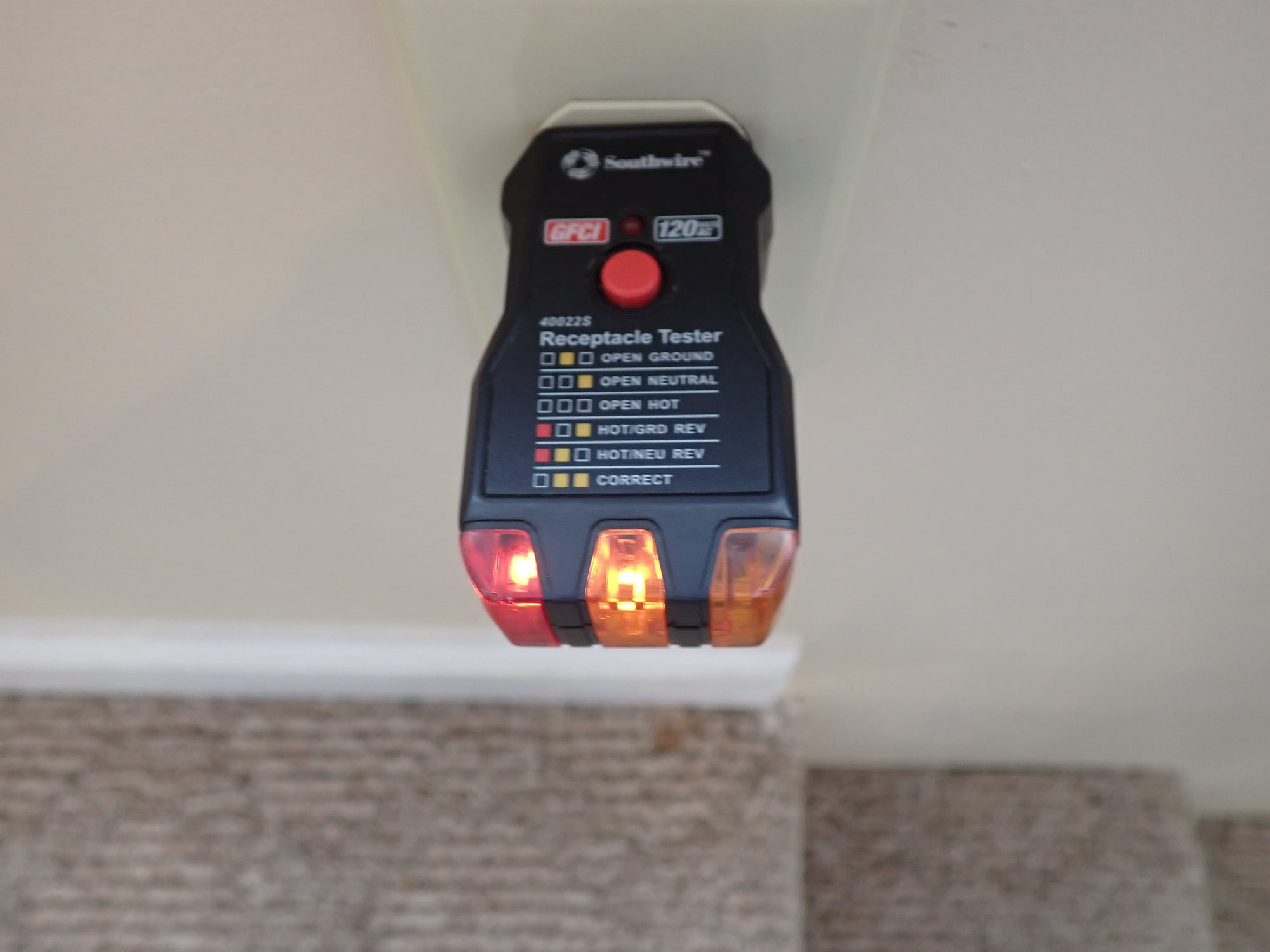
A plug-in tester reading of hot and neutral reversed—what it means, why it matters, and what a licensed electrician should correct.
View case fileElectrical
Status Plan for Correction
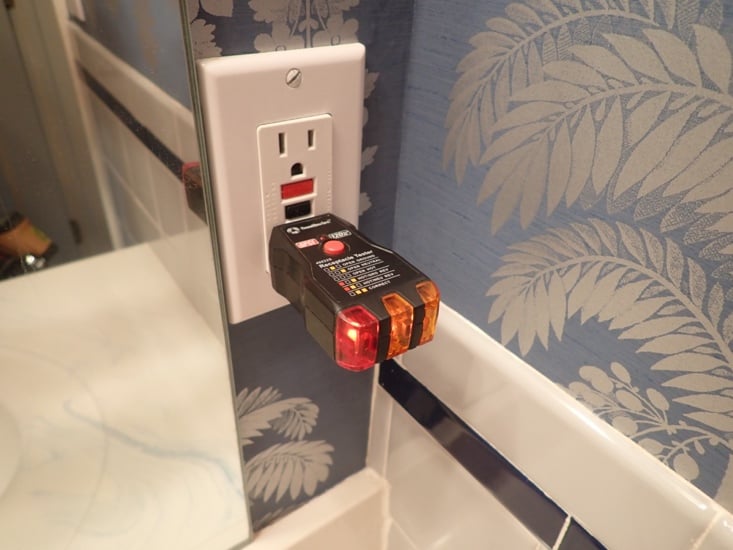
A three-prong outlet that tests as having no equipment ground—common in older homes with two-wire wiring. Here’s what it means, why it matters, and how it’s corrected.
View case fileElectrical
Status Plan for Correction
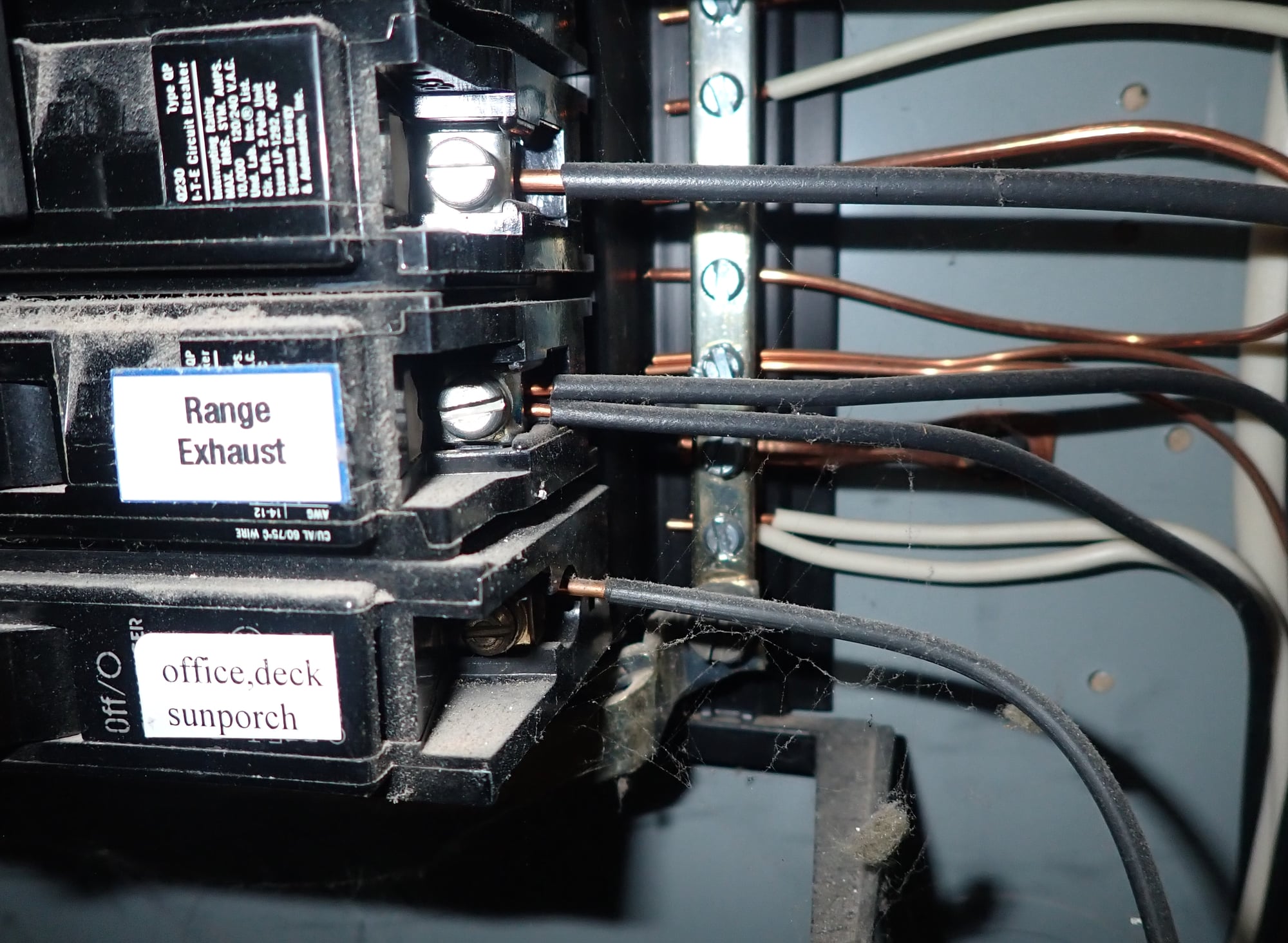
Two conductors on one breaker terminal need listing verification—many breakers allow only one wire.
View case fileElectrical
Status Immediate Safety Concern
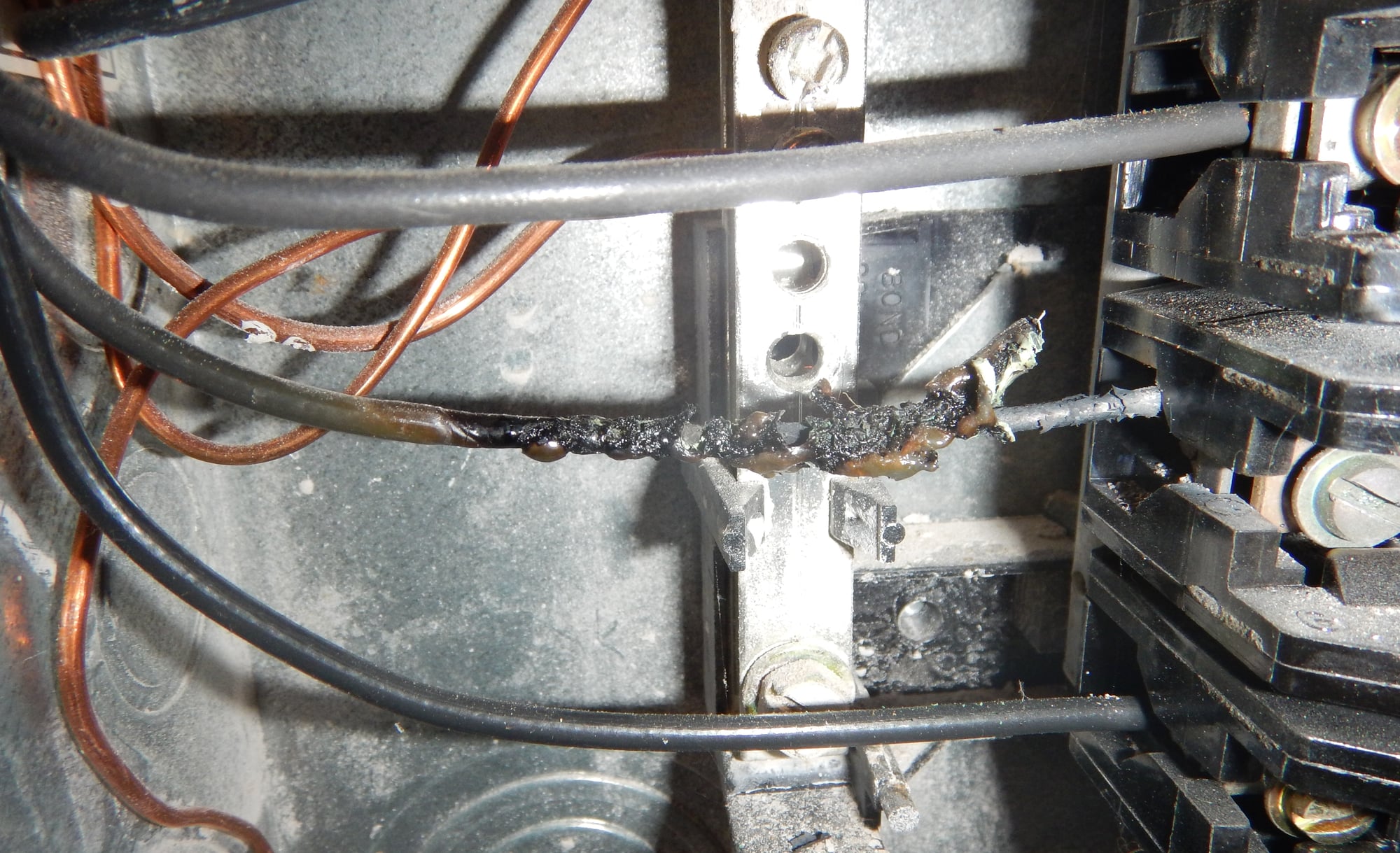
A conductor inside a service panel was hissing, burning, and melting—an immediate fire hazard that needs a licensed electrician, not a DIY patch.
View case fileElectrical
Status Immediate Safety Concern
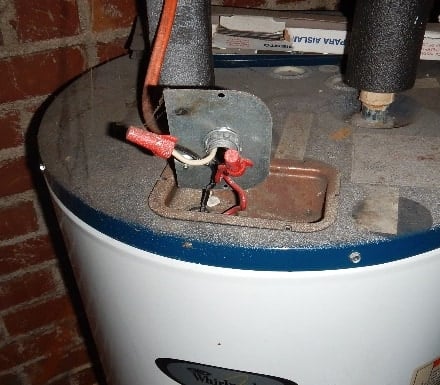
Open electrical covers and exposed splices on a water heater create a shock and fire risk at an always-on appliance.
View case fileArticle
The most common defects we document during home inspections — from water heaters and electrical issues to crawlspace damage.
Read more