Does a Water Heater Pressure Relief Valve Need a Discharge Pipe?
Real inspection examples of missing pipes, crawlspace terminations, pan-only drains, and a leaking discharge stub—and what proper piping should accomplish.
TPR Valve
T&P Valve
Discharge Pipe
Water Heater Safety
TPR Discharge Pipe
Brandon Vaughn•Licensed Home Inspector
Published July 13, 2026 · Updated July 2026
Photographs and observations on this page come from a real home inspection, explained by a working inspector.
Direct Answer
Yes. A water heater temperature-and-pressure (TPR / T&P) relief valve needs properly installed discharge piping so hot water or steam can be directed toward a safer location if the valve opens. Missing or improperly terminated discharge piping is a common installation concern. It does not, by itself, prove the relief valve is defective.
PLAN FOR CORRECTION
This should be corrected.
Have a qualified plumber install or correct the TPR discharge piping so it meets the water-heater and valve manufacturer instructions and applicable local requirements. If you see active leaking or discharge from the valve or pipe, arrange prompt evaluation—the cause needs to be determined, not just the pipe routing.
Do not cap, plug, or valve off a TPR discharge opening. If hot water is actively discharging, keep clear of the stream and seek prompt professional help.
Urgency
Plan correction
Next step
Schedule a plumbing correction
Who to call
Licensed plumber
How to Identify It
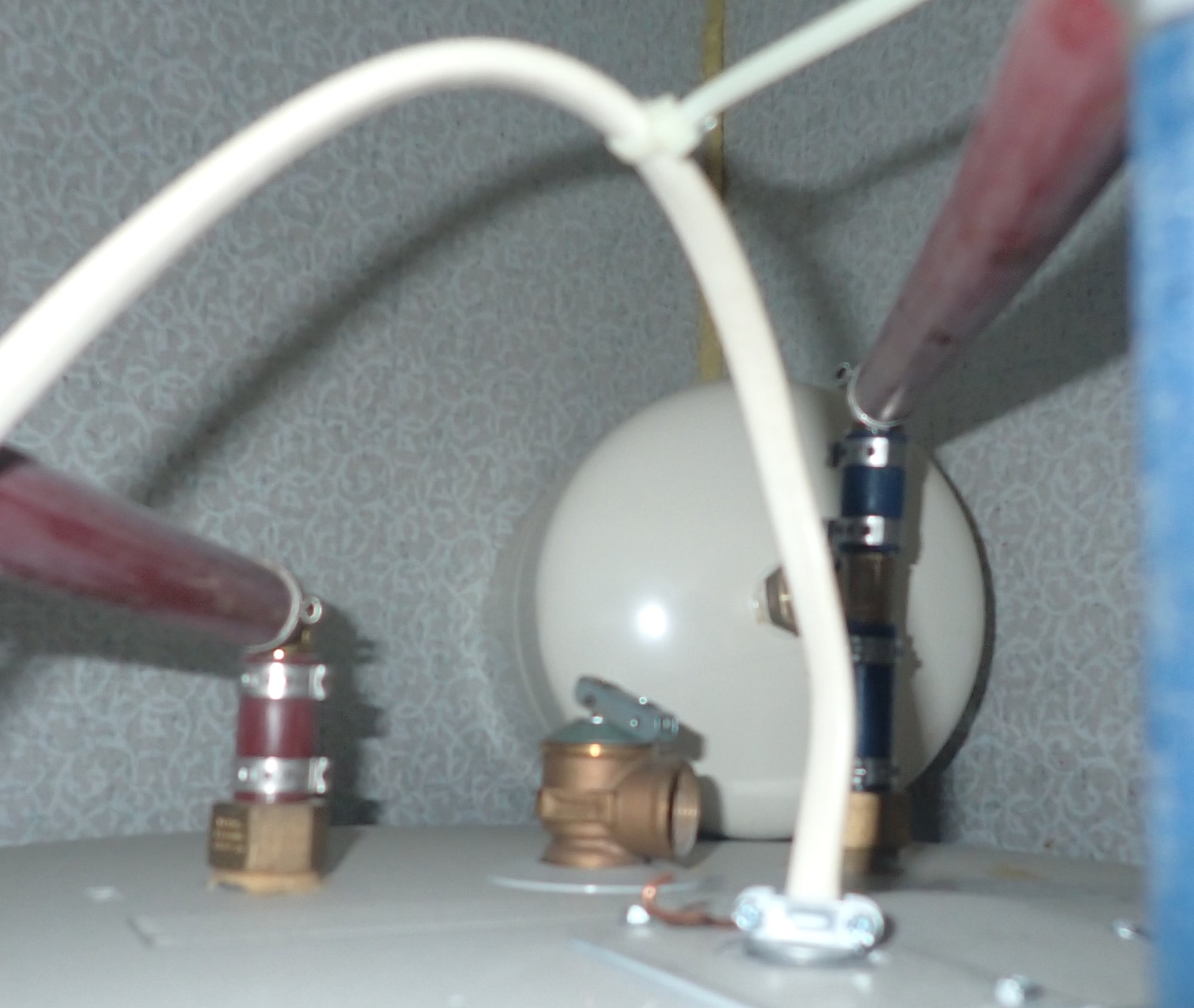
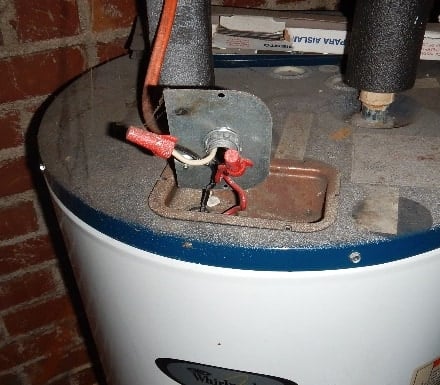
An open brass TPR outlet on top or side of the tank with no pipe attached
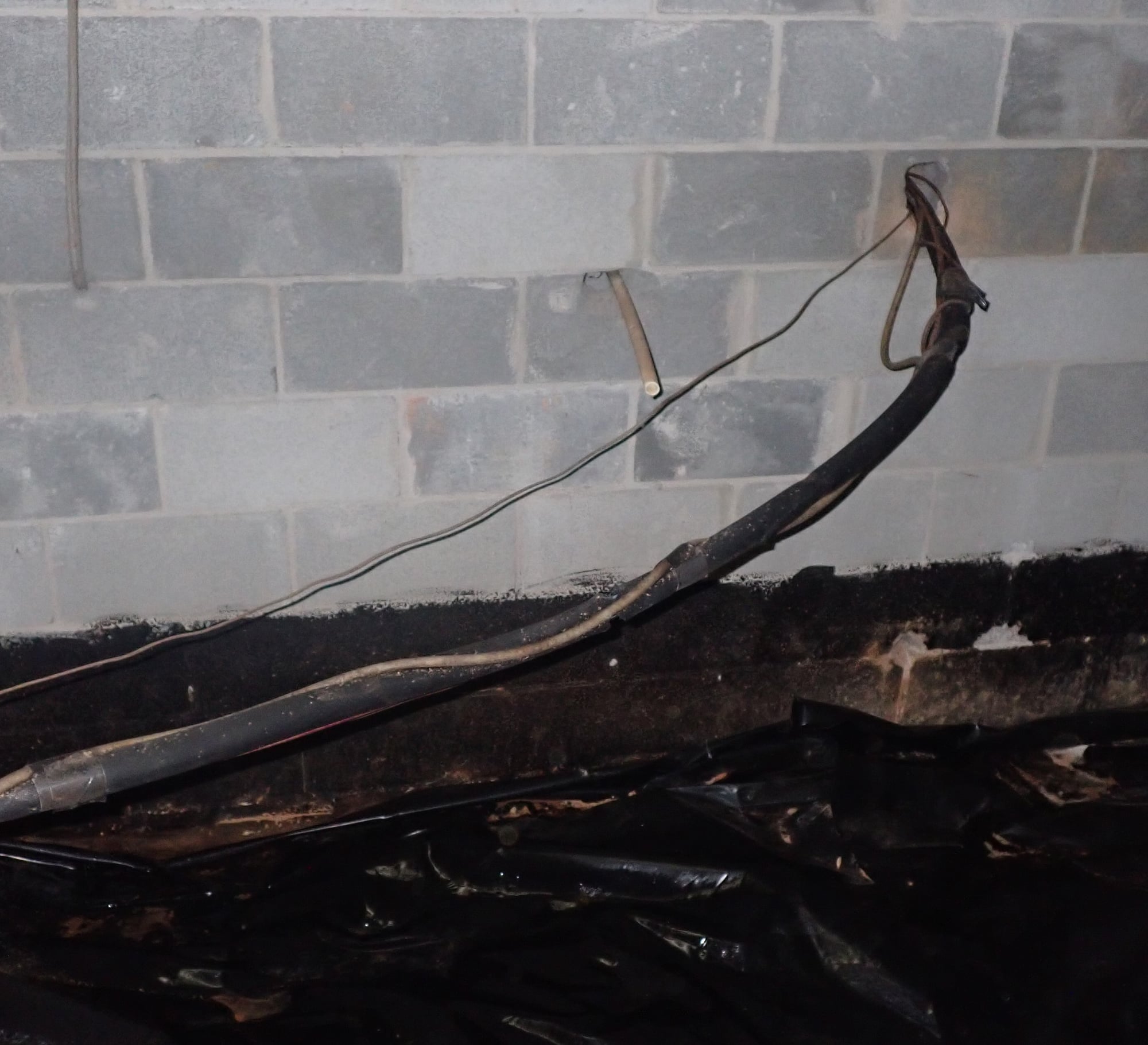
A discharge pipe that ends in a crawlspace, basement, closet, or unfinished space
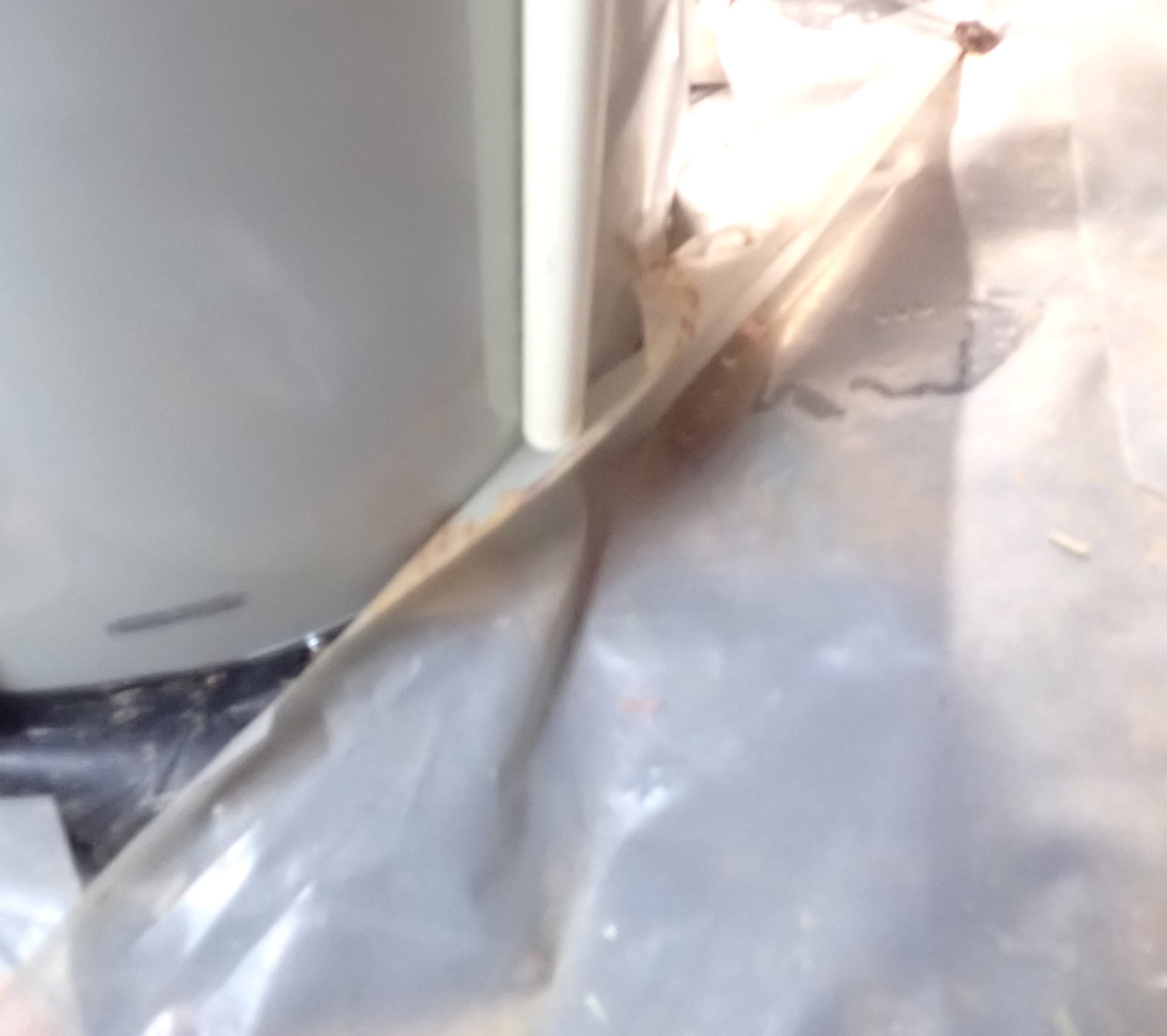
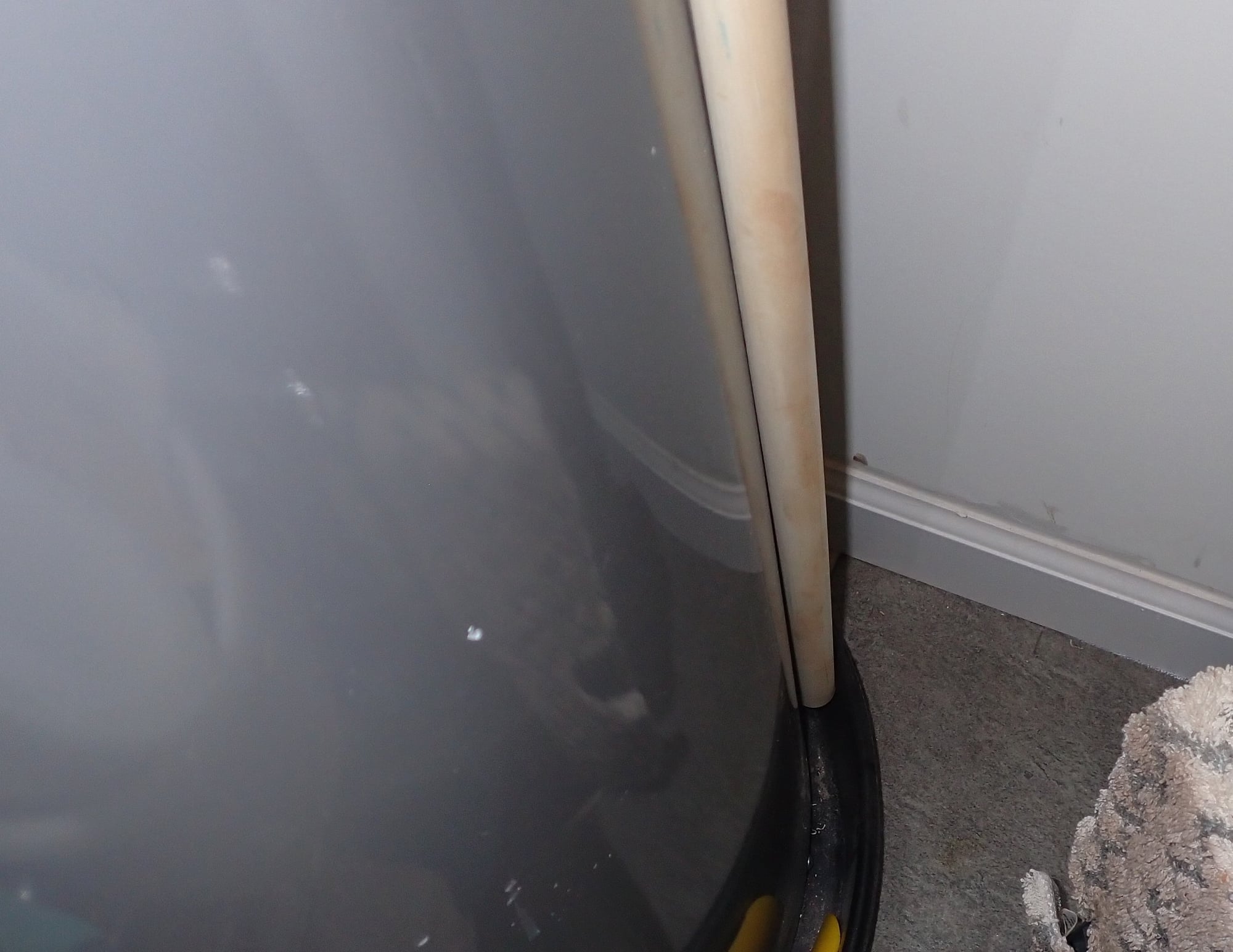
A discharge pipe that empties only into a shallow drain pan or overflow tray
Water, staining, or dampness at the end of a TPR discharge pipe
A capped, plugged, or valve-restricted discharge path (when present)
A pipe that appears smaller than the valve outlet, trapped, or routed uphill (when present)
Why It’s Not Acceptable
The TPR valve is designed to open if tank temperature or pressure rises too high. Discharge piping is what directs that release away from people and finishes so the event is visible and less likely to cause injury or hidden water damage.
Manufacturer installation instructions commonly require discharge piping that is connected to the valve outlet, keeps the full outlet diameter, uses material listed for hot-water distribution, stays free of valves/caps/plugs and other restrictions, drains by gravity without prohibited traps or uphill runs, and terminates where discharge can be observed in a safer manner. Exact termination locations (for example floor-level vs approved exterior points) depend on the product instructions and local requirements—do not assume every installation must terminate outdoors or into a drain.
These photographs document common real-world discharge-piping problems. They do not establish tank condition, thermostat settings, expansion-tank performance, or why a valve may have released water.
What a Proper Correction Should Accomplish
Install discharge piping connected to the TPR valve outlet
Maintain the required diameter with no reducing fittings that restrict flow
Use an approved material suitable for hot-water discharge per manufacturer and local requirements
Avoid valves, caps, plugs, or other restrictions on the discharge path
Route the pipe so it can drain by gravity without prohibited traps or uphill sections
Terminate where discharge can be observed and where scalding and property-damage risks are reduced
Follow the water-heater and valve manufacturer instructions and applicable local requirements
If water is actively discharging or pooling at the termination, have a qualified plumber evaluate both the piping and whether the valve itself needs service or replacement
Example From an Inspection
Across multiple real inspections, TPR discharge piping was found missing, ending in a crawlspace, emptying only into a drain pan, or wet at an improper termination. In each case the report recommended routing discharge to an appropriate, observable location. One example also noted active leaking at the termination and called for evaluating the relief valve if needed.
Evidence From the Inspection
Example B — Discharge terminating in a crawlspace .
Example C — Discharge plumbed only to the drain pan .
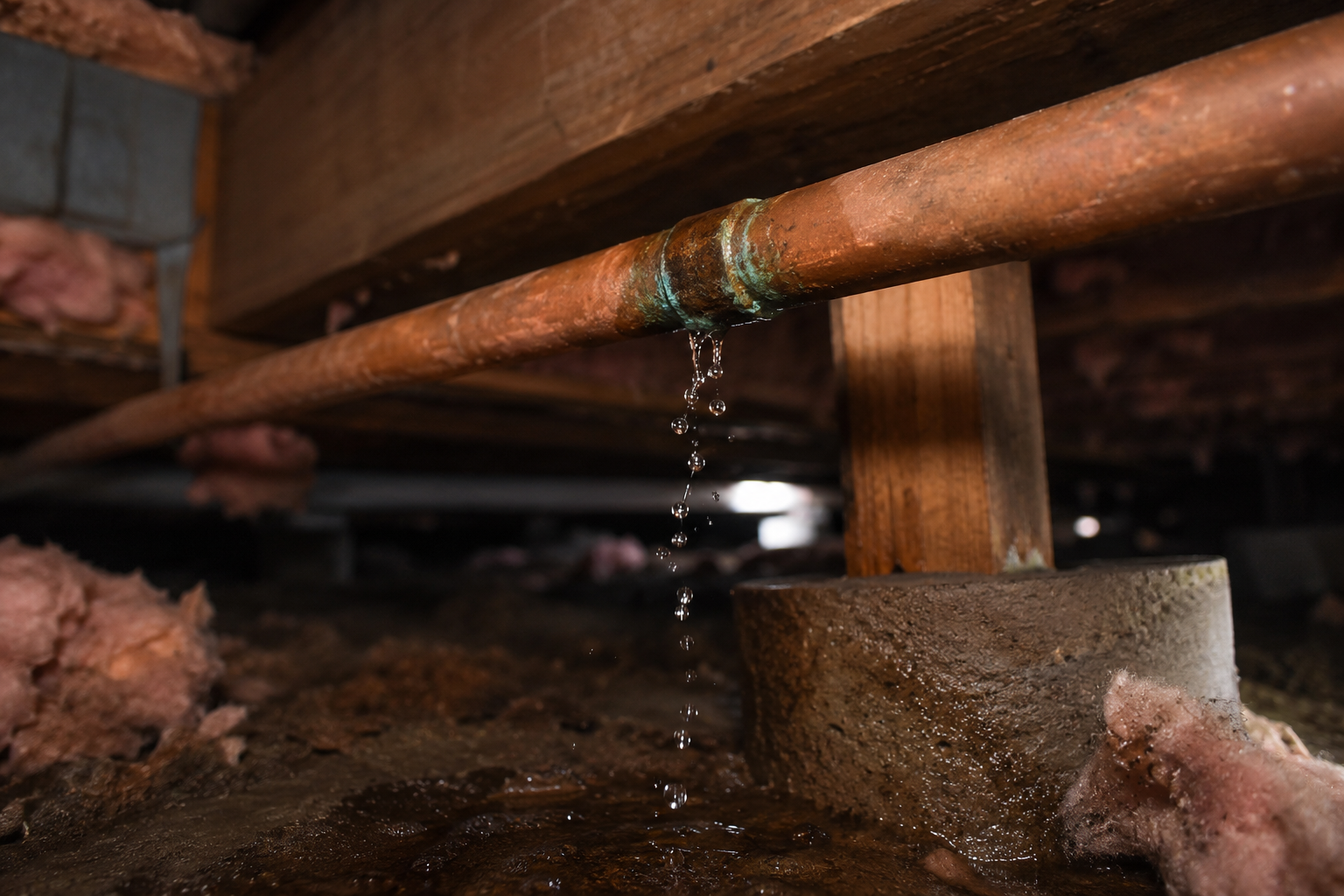
Example D — Crawlspace termination with reported leakage .
Frequently Asked Questions
Is a TPR (T&P) discharge pipe required?
Yes. A temperature-and-pressure relief valve needs properly installed discharge piping so that if the valve opens, hot water or steam is directed toward a safer location instead of spraying at the valve.
Where should a water heater relief valve discharge pipe terminate?
Discharge piping is generally run to an approved, safe termination point so a release is directed away from people. Terminating loosely in a crawlspace, or draining only into the pan, are common installation concerns an inspector documents.
Can the discharge pipe just drain into the pan?
A pan-only termination is a condition we frequently find and flag. The discharge piping should be installed to direct a release safely, and a qualified plumber can correct an improper termination.
Gray steel water pipe common in homes built before the 1960s. It corrodes from the inside, restricts water flow, and eventually needs replacement—shown in real Upstate SC inspection findings.
A gray (sometimes blue) plastic water-supply pipe used from the late 1970s into the mid-1990s, no longer used in new construction and known to fail—often without warning. We still find it regularly in Upstate crawlspaces.
A three-prong outlet that tests as having no equipment ground—common in older homes with two-wire wiring. Here’s what it means, why it matters, and how it’s corrected.